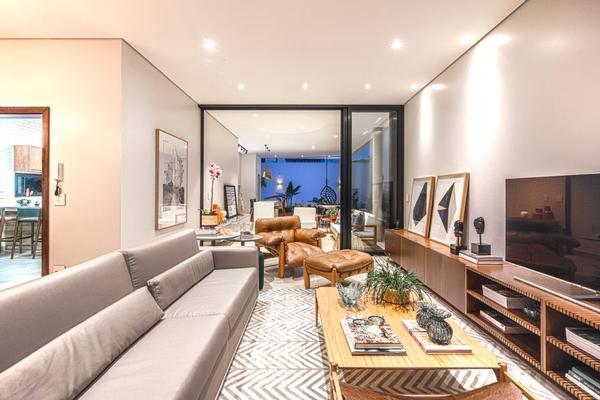
A neutral living room can look calm in a photograph but feel strangely unfinished in person. Often the problem is not a lack of color. It is a lack of variation: similar beiges at the same brightness, smooth surfaces everywhere, and lighting that flattens the space. The best neutral living room ideas create quiet interest through undertones, texture, contrast, and personal details without abandoning a peaceful palette.
Check Undertones Before Buying Another Beige
Not all neutrals belong to the same family. A beige sofa might lean yellow, a cream wall might carry pink, and a greige rug might have a violet cast. Each can look lovely alone, yet together they sometimes feel unsettled. Compare large samples in daylight and after dark rather than relying on tiny store swatches.
Choose one main undertone direction, then vary it subtly. For a warm neutral living room, consider oatmeal, ivory, camel, and soft brown. Cooler stone and mushroom shades can also work when their undertones are repeated deliberately. Treat an existing floor’s orange or gray cast as part of the palette, too.
Create a Range of Light, Medium, and Dark
A room containing only pale cream may feel washed out, especially when the sofa, walls, curtains, and rug are almost identical. Arrange neutrals across several levels of depth: light walls for breathing room, a medium-toned rug or sofa to ground the seating, and a darker accent to give the eye a resting point.
Dark need not mean black. Walnut, tobacco brown, charcoal, or muted bronze can add definition. Try a dark artwork frame, timber side table, or two chocolate-colored cushions. Keep the lightest color dominant and use the deepest shade sparingly so the room retains its softness.
Make Texture Your Main Design Tool
Texture separates a flat beige scheme from one that feels inviting. Pair a tightly woven sofa with nubby cushions, linen curtains, a wool-look rug, and a smooth ceramic lamp. These surfaces catch light differently, creating depth even when their colors are similar.
Prioritize comfortable, practical materials. Washable covers, durable upholstery, and an easy-clean rug often make more sense than fragile textiles. One of the simplest beige living room ideas is swapping two matching cushions for different weaves instead of buying several more decorative objects. A guide to layering living room textiles can also help balance softness and durability.
Bring in Wood, Stone, and Handmade Character
Wood grain adds movement without introducing a strong pattern. Oak softens pale rooms; walnut adds weight to ivory and sand. You do not need to match every finish. Related wood tones can feel intentional when repeated through furniture or frames.
Stone, clay, rattan, and woven baskets provide further variation. Resist filling every surface with rustic accessories, though. One substantial wooden coffee table often creates more warmth than a cluster of tiny ornaments. Natural materials work best when they contribute useful surfaces as well as visual interest.
Layer Lighting for Morning and Evening
Even well-chosen neutrals may look dull under a single overhead fixture. Mix general lighting with a reading lamp and a smaller accent source. Warm-white light often flatters cream, taupe, and wood, but avoid visibly mismatched bulb colors that make surfaces look patchy.
Test your paint and fabrics at the time you actually use the room. If a corner looks lifeless, move a shaded lamp there before repainting. If the walls turn surprisingly yellow at night, compare bulbs and observe the samples under your own fixtures. Thoughtful living room lighting ideas can transform the mood without changing the furniture.
Choose One Focal Point and Edit Around It
Neutral does not mean that every item should receive equal attention. Choose a feature with presence: oversized textured art, a sculptural chair, a vintage cabinet, or a distinctive lamp. Leave surrounding accessories quieter so that piece stands out.
Pattern can contribute subtle energy. Try stripes, understated geometry, or softly veined stone, repeating a tone from the pattern elsewhere. If the room feels busy, remove a few objects before adding anything. Empty space helps interesting materials and shapes register.
Try This Refresh in an All-Beige Room
Picture cream walls, a beige sofa, pale curtains, and a light rug. Keep the expensive furniture. Replace the rug with a textured version containing a deeper sand or taupe tone, position a dark wood table near the sofa, and add cushions in two distinct weaves. Place a lamp beside the seating and hang artwork that echoes both the light and dark shades.
Now view the room from the doorway and your usual chair. If everything still blends together, strengthen the contrast in one location. If it feels crowded, reduce small accessories. Testing one change at a time is more reliable than buying a complete matching decor set.
Avoid the Mistakes That Flatten Neutral Spaces
The biggest mistake is treating neutral as one color rather than a range of tones and surfaces. Other pitfalls include an undersized rug that fails to connect the seating area, identical fabrics everywhere, and glossy finishes without anything matte for balance. A few well-scaled pieces usually work better than numerous small decorations.
Most importantly, leave room for personality. Books, meaningful photographs, travel finds, and handmade ceramics keep neutral room decor from looking like a showroom. Your choices should reflect daily life as well as a coordinated color scheme.
Frequently Asked Questions
How do I make a neutral living room feel warmer?
Combine compatible warm undertones with tactile fabrics, natural wood, and layered lamps. Add a medium or dark accent for definition. You may not need to repaint; adjusting a rug, cushions, and lighting can noticeably change the atmosphere.
Can I mix gray and beige in one living room?
Yes. Bridging shades such as greige, taupe, and stone help the colors connect. Compare undertones under your room’s lighting, then repeat the bridging shade in more than one place so the mix feels deliberate.
Which accent colors suit a neutral room?
Olive, muted terracotta, dusty blue, and deep chocolate are useful possibilities. Choose one that complements the existing undertones, then introduce it through a few purposeful pieces rather than scattering unrelated shades throughout the room.
How can I update a beige living room cheaply?
Rearrange furniture, move lamps into dark corners, change cushion covers, and add a contrasting secondhand frame or artwork. Edit what you already own before shopping. Often, fewer but better-placed objects make the room feel more finished.
Give Quiet Colors Something to Play Against
Successful neutral living room ideas are less about finding the perfect beige than giving pale shades a richer setting. Deepen one or two tones, vary the feel of fabrics, let natural grain show, and make the lighting work throughout the day. A restrained palette can still feel layered, warm, and unmistakably personal.