A living room can have plenty of seats and still be surprisingly difficult to talk in. When every chair points toward the television, guests end up turning sideways, talking across someone else, or drifting into the kitchen. The best living room conversation area ideas begin with a different question: where would people naturally look if the screen were switched off?
You do not need a formal sitting room or matching furniture to answer it. A few changes to seating angles, distances, and walking routes can make an everyday living room feel much more social.
Give the conversation a center
Instead of treating the TV as the default focal point, arrange the main seats around a shared center: a coffee table, an ottoman, or simply open floor space. People should be able to see one another without twisting their necks. A fireplace or window can remain a visual feature, but it should not force every seat to face the same direction.
Try the simplest test before moving anything heavy. Sit in each chair and imagine someone occupying every other seat. Can you make comfortable eye contact? Can you speak without leaning around a tall lamp or another person’s shoulder? These small sightline problems often explain why a room feels less welcoming than it looks.
Choose a conversation seating layout that fits the room
A sofa facing two angled chairs
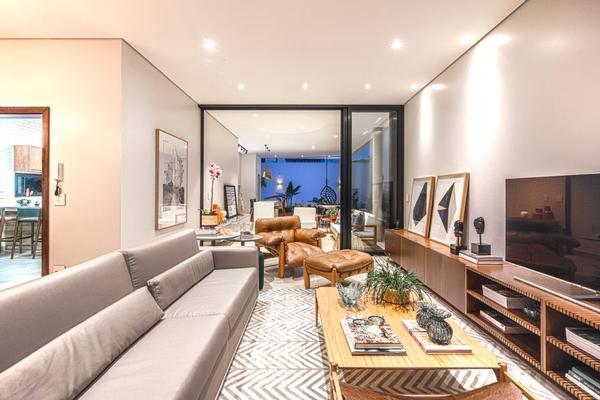
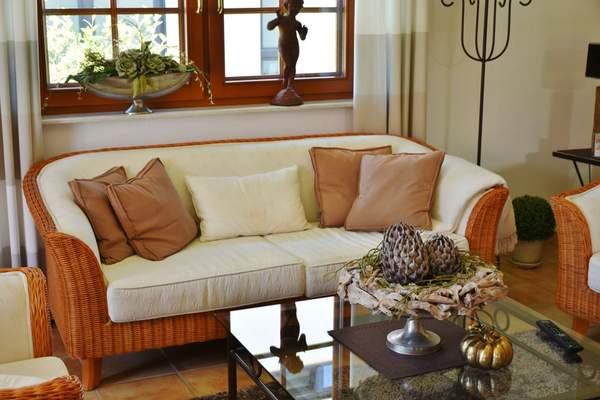
This is a reliable arrangement for households that entertain a few friends at a time. The sofa provides a stable anchor, while the chairs can turn slightly toward each other and toward the sofa. Angling them inward forms a relaxed U-shape without requiring an oversized room.
Choose chairs with manageable footprints rather than deep, bulky recliners if floor space is tight. A small table between the chairs gives both guests somewhere to set a drink.
An L-shaped grouping for smaller spaces
A sofa with one armchair at roughly a right angle works well in a compact living room. Unlike a straight row of seating, the L-shape lets people address one another naturally. If a sectional already provides the L, add a lightweight chair opposite its open side when guests visit.
For more ideas about keeping furniture proportional, explore small living room furniture arrangements before buying an additional seat.
Two sofas across from each other
In a wider room, facing sofas create an obvious conversation zone, especially for families that host regularly. The risk is separating them so much that they feel like two islands. Bring them closer around a central table, then check that there is still space to stand and walk comfortably.
Get the distances right without following a rigid formula
Furniture spacing determines whether a social living room layout feels intimate or crowded. As a practical starting point, allow about 14 to 18 inches between a sofa and coffee table. For facing seats, a separation of roughly 6 to 8 feet often supports easy conversation, although the right distance depends on seat depth, room size, and hearing needs.
Keep primary walking routes outside the seating cluster where possible. Around 30 to 36 inches of clear passage is a useful planning target in an ordinary home, not a universal building-code requirement. People who use mobility aids may need more generous and specifically planned clearances.
Do not sacrifice the main route from the doorway just to achieve a perfect-looking furniture arrangement. When visitors have to squeeze between knees and the coffee table to reach another room, the gathering gets interrupted constantly.
Let chairs face people, not just architectural features
Small adjustments in orientation can make a bigger difference than replacing a sofa. Turn an armchair inward by a quarter turn. Move a side chair away from the wall. If a television must stay in the room, place some seats so they can see it when needed but are not permanently lined up in front of it.
Swivel chairs offer a particularly flexible solution in a multipurpose room. They can rotate toward conversation during a visit and toward a screen during a movie. A light occasional chair offers similar flexibility without requiring a new furniture set.
Define the conversation zone in an open-plan room
Large, open-plan rooms can make people feel oddly far apart. Resist filling every wall with seating. Group the main pieces closer together and let the remaining floor area serve as circulation space or a separate activity corner.
An area rug helps the seating read as one group. Ideally, the front legs of the principal seats can rest on it, although a smaller rug may work when the layout is compact. Add a low table within reach rather than a tall decorative piece that blocks faces. For a coordinated look, consider living room rug size ideas as part of the seating plan, not as a final decoration decision.
Try a real-room rearrangement before buying furniture
Imagine a 12-by-15-foot living room with a sofa on the long wall, two chairs beside the TV, and a doorway near one corner. Start by leaving the doorway-to-hallway route clear. Keep the sofa where it is, then move the chairs opposite it and angle them inward. Place a modest coffee table in reach of the sofa, leaving enough knee room to stand comfortably.
Now invite three people to sit and talk for ten minutes. Notice whether anyone repeatedly turns their body, whether drinks are difficult to reach, and whether another person can cross the room without interrupting everyone. Move one chair a few inches and test again. This inexpensive trial tells you more than a perfectly staged photograph.
Frequently asked questions
How do you create a conversation area in a small living room?
Use one sofa and one or two compact chairs arranged in an L or shallow U. Keep the pieces close enough for natural conversation, avoid blocking doors, and choose a small table or movable ottoman instead of a massive coffee table.
Should all living room furniture face each other?
No. The goal is comfortable interaction, not strict symmetry. Angled seats can create good eye contact while preserving views of windows, a fireplace, or a television.
Can a living room have both a TV area and a conversation area?
Yes. A swivel chair, angled sofa, or small secondary grouping makes the room adaptable. When space is limited, focus on one flexible seating cluster rather than forcing two complete arrangements into it.
What is the biggest mistake in a social seating layout?
Pushing seats to opposite walls and leaving a large empty gap in the middle. It makes normal conversation harder even when the room appears spacious. Bring seating together first, then adjust circulation around it.
Make conversation the easiest thing to do
The most successful living room conversation area ideas are often modest: two chairs turned toward a sofa, a table moved into reach, or a walking path shifted behind the seats. Start with the people who actually use your room and how they like to gather. When the arrangement makes eye contact, movement, and comfort effortless, the space becomes more inviting without needing a complete redesign.