A cup of coffee lands on the carpet, and your first instinct is to grab a cloth and scrub. Unfortunately, that reaction can turn a small spill into a wide, fuzzy mark. Learning how to remove carpet stains is less about scrubbing strength and more about controlling where the liquid goes.
The reliable approach is to lift excess material, blot from the outside towards the centre, use a suitable cleaner sparingly, then rinse and dry. The details change for grease, mud, drinks and pet accidents, but this sequence provides a safer starting point for most spills.
Stop the stain before it spreads
First identify whether you are dealing with liquid, solid material or dry debris. Keep people from walking over the area and collect clean, white absorbent cloths. White fabric lets you see whether colour is transferring and avoids dyes from coloured towels reaching the carpet.
Lift solids before adding moisture
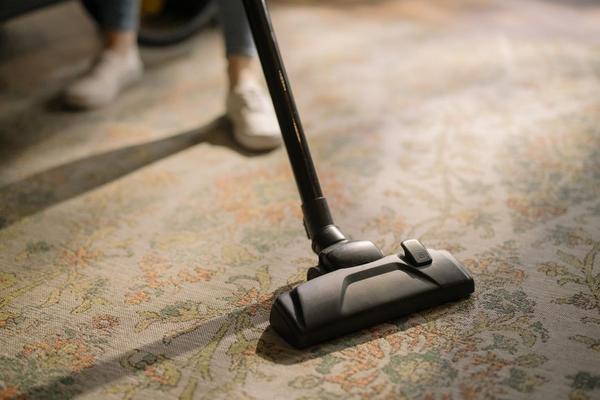
For food or thick material, lift the excess with a spoon or blunt scraper without pushing it into the pile. If the substance is dry and crumbly, vacuum loose particles first. Wetting dry dirt straight away can create a larger muddy patch.
Blot from the edges inward
Press a dry cloth onto the outer edge of the spill and lift it straight up. Move gradually towards the middle, changing to an unused section whenever the cloth becomes damp or coloured. Do not rub in circles. Rubbing can spread pigment and distort carpet fibres.
Imagine an orange juice spill the size of a saucer. Begin at its damp perimeter rather than pressing into the deepest pool. Once the border stops transferring colour, work on the centre. This helps prevent the familiar ring around a cleaned spot.
How to spot clean carpet safely
Check the fibre and test the cleaner
Read the manufacturer’s care guidance and choose a carpet-specific product suitable for the fibre. Test it in an inconspicuous place, let the test area dry, then check for colour loss or texture changes. Wool needs compatible products; moisture-sensitive materials such as sisal and viscose can water-mark even with careful treatment.
Use small amounts of product
Follow the label’s dilution and contact-time instructions. Apply a little cleaner to a white cloth rather than flooding the stain. Dab from the outside inward, allow it to work, then blot. Repeat light applications while material keeps transferring instead of soaking the carpet. Never mix cleaning chemicals.
Rinse and dry thoroughly
If the carpet permits water-based treatment, use another cloth lightly dampened with clean water to lift cleaner residue. Blot with a dry towel. Leftover detergent attracts dirt, while excessive moisture may reach the backing and take much longer to dry. Improve ventilation and keep feet and furniture off the spot until completely dry.
A faint mark that returns during drying may be residue or contamination moving up from deeper fibres. Avoid immediately adding another large dose of cleaner.
Handle common carpet stains differently
Coffee, tea and coloured drinks
Blot promptly. On a water-tolerant carpet, a cloth slightly dampened with cool water may lift much of a fresh spill. Sugary drinks need careful rinsing because they leave sticky residue. Persistent dye marks call for a fibre-compatible stain remover, not improvised bleach. For older spills, explore how to remove coffee stains from carpet.
Grease and oily food
Lift food solids first, then absorb surface grease with a dry cloth. Choose a carpet-approved treatment intended for oil-based stains. Plain water does little to dissolve grease, and large amounts of household dishwashing liquid can leave difficult residue.
Mud and tracked-in dirt
For ordinary mud, let the soil dry and vacuum thoroughly before treating remaining discolouration. Rubbing wet mud grinds fine particles deeper into the pile. One of the simplest carpet cleaning tips is to remove loose dirt regularly, so future spills have less grit to pick up.
Pet accidents
Remove solids, blot fresh urine quickly and select a pet-stain cleaner compatible with your carpet. An enzyme-based product may help with organic residues and odours when the manufacturer approves its use. Follow the label’s contact time and keep pets away during treatment. Avoid steam or high heat on urine stains. For recurring accidents, a guide to removing pet urine from carpet can address the odour as well as the visible mark.
Unknown or older marks
Do not guess at a strong chemical treatment. Vacuum loose material, test an appropriate cleaner out of sight and begin with a small area. Older stains sometimes cause permanent colour changes, and complete removal is not guaranteed. If the mark expands during cleaning, stop adding liquid and let the area dry.
Mistakes that make carpet stain removal harder
Scrubbing, over-wetting and combining products create more problems than they solve. Hot water can set certain stains, stiff brushes can damage the pile, and bleach can remove carpet dye. Vinegar and baking soda are not suitable for every carpet finish. A cleaner approved for your particular fibre is a safer choice than a popular homemade mixture.
Keep a spill kit with white cloths, a blunt spoon and a suitable spot remover. Work in short rounds of blotting and inspection. If the cloth no longer picks up colour, pouring on more solution may simply spread moisture. For delicate rugs, valuable pieces and unusual fibres, seek professional advice.
When to call a professional
Consider professional cleaning for large spills, recurring dark patches, soaked underlay, dye bleeding or expensive rugs. Tell the cleaner what was spilled and which treatments you have tried. Check warranty requirements before attempting aggressive carpet stain removal. Persistent moisture or odour may mean the issue extends below the visible fibres.
Frequently asked questions
Should I rub a carpet stain to remove it faster?
No. Rubbing may enlarge the stain and damage the pile. Blot with a clean white cloth from the outside inward, changing cloth sections often.
Can water alone remove carpet stains?
Careful blotting with a slightly damp cloth can help with some fresh, water-soluble spills. Oily or strongly coloured marks may require a suitable product. Check whether the fibre tolerates water first.
Why does a stain reappear after cleaning?
Remaining material may move upwards from deeper in the carpet during drying. Detergent residue can also attract new soil. Use less moisture, rinse appropriately and dry thoroughly. Persistent marks may need professional extraction.
How long does a spot-cleaned carpet take to dry?
It depends on the amount of moisture, pile thickness and ventilation. There is no universal drying time. Avoid walking on the area until it feels fully dry, and investigate lingering dampness.
Keep the spill contained, not complicated
The best way to deal with common carpet stains is to remove the excess, blot inward, treat lightly, rinse when appropriate and let the area dry. These habits protect surrounding fibres and make everyday spot cleaning less stressful. For stubborn stains, match the product to both the spill and the carpet rather than resorting to force.