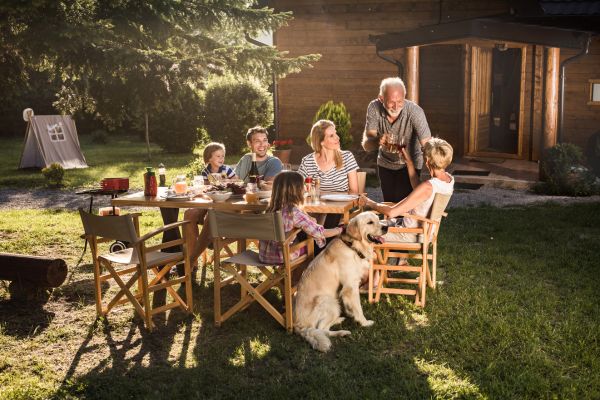
A backyard can be many things at once. It may be a quiet place for morning coffee, a lively setting for family gatherings, a small garden retreat, and, for pets, an entire world of scents, sounds, and movement. Designing that space with animals in mind does not mean giving up style or turning the garden into a fenced exercise pen. It simply means paying attention to how pets actually use the outdoors.
A thoughtful pet-friendly backyard design balances freedom with safety. It gives dogs room to explore, offers cats secure places to observe, protects delicate planting, and still feels comfortable for the people sharing the space. The most successful gardens are not built around strict perfection. They are practical, forgiving, and easy to live with.
Begin With the Way Your Pet Uses the Garden
Every animal experiences a backyard differently. One dog may spend most of the day following the fence line, while another prefers lying in the sun. Some pets dig, chase, chew, or squeeze through gaps. Others simply want a comfortable place to watch the world.
Before changing the layout, observe these habits for a few days. Notice where your pet naturally walks, which corners attract attention, and where they rest during different parts of the day. These patterns often reveal what the garden already needs.
A well-designed space works with natural behavior instead of constantly fighting it. A worn path beside the fence, for example, may be better turned into a proper walkway than repeatedly reseeded. A favorite shady corner might be the ideal place for an outdoor bed or cooling area.
This practical approach makes the garden easier to maintain and more enjoyable for the pet.
Build Secure Boundaries Without Creating a Fortress
Reliable fencing is the foundation of any pet-friendly backyard design. It should be high enough, strong enough, and closely fitted enough to suit the animal using the space.
Dogs that jump or climb may need taller fencing with a smooth internal surface. Pets that dig can require buried mesh, paving along the fence line, or a reinforced base. Small animals may escape through surprisingly narrow openings, so gates and lower fence sections deserve close attention.
Check latches regularly. A gate that looks secure may be easy for a curious dog to push open, especially if the latch sits low. Self-closing gates are useful in busy households, although they should never replace careful supervision.
The boundary does not have to feel harsh. Timber panels, dense hedging planted safely behind secure fencing, or decorative screens can soften the appearance. The goal is to create a space that feels enclosed and calm, not confined.
Choose Surfaces That Can Handle Real Life
A beautiful lawn can quickly become patchy when pets run the same route every day. Mud, digging, urine damage, and energetic play all take their toll, particularly in small gardens.
Durable surfaces make a noticeable difference. Paving, smooth gravel that is too large to swallow, bark-free pet-safe mulch, and reinforced grass can be combined to create practical zones. A hard-wearing path around the edge of the garden may protect the central lawn while giving a dog a natural patrol route.
Artificial grass is sometimes considered for easy maintenance, but it can become hot in direct sunlight and requires regular cleaning. Natural grass feels cooler and softer, though it may need more care. There is no single perfect surface. A mixed layout usually works best.
Avoid sharp stones, splintering wood, or surfaces that become slippery when wet. The garden should remain comfortable for paws in both hot and cold weather.
Provide Shade, Shelter, and Fresh Water
Pets need protection from the weather just as people do. A sunny garden can become dangerously hot, particularly for older animals, flat-faced breeds, thick-coated dogs, and pets with limited mobility.
Create several shaded areas rather than relying on one spot. Trees, pergolas, shade sails, covered patios, and large shrubs can all help, provided the plants are safe. Shade moves throughout the day, so observe the garden at different times before deciding where to place a bed or shelter.
Fresh water should always be easy to reach. A heavy bowl is less likely to tip, while more than one water station can be useful in a large backyard. Bowls should be cleaned regularly and kept away from areas where garden chemicals, leaves, or soil may collect.
A dry shelter also gives pets somewhere to retreat during light rain or wind. Even animals that live indoors often appreciate a protected outdoor resting place.
Select Plants With Pet Safety in Mind
Plants bring color, texture, and life to a backyard, but not every plant is suitable around animals. Some common flowers, bulbs, shrubs, and ornamental plants can be toxic if chewed or swallowed.
Before adding new plants, check whether they are safe for the specific type of pet in the household. Dogs, cats, rabbits, and other animals do not always react to plants in the same way. It is also wise to identify what is already growing in the garden rather than assuming established plants are harmless.
Non-toxic planting does not need to look plain. Herbs, grasses, pet-safe flowers, and sturdy shrubs can create a layered, attractive garden. Raised beds may help protect vegetables and delicate plants from digging, although determined pets can still reach them.
Avoid cocoa mulch, which can be harmful to dogs, and be cautious with fertilizers, weed treatments, slug pellets, and pesticides. A pet-friendly garden depends as much on maintenance choices as it does on plant selection.
Create a Dedicated Digging or Play Area
Digging is natural behavior for many dogs. Trying to eliminate it completely can become an exhausting battle. A more realistic solution is to create a place where digging is allowed.
A small sand or soil area can be bordered with timber, stone, or low edging. Burying toys or treats just beneath the surface can help direct the dog toward the approved location. It may take some repetition, but many pets learn the difference between their digging zone and the flower beds.
Play areas can also include sturdy tunnels, low platforms, or open space for running. These features do not need to resemble a formal agility course. A few simple changes in height and texture can make the garden more interesting.
Keep all structures stable and suitable for the pet’s size. Avoid narrow gaps, exposed nails, sharp edges, or high platforms that could cause injury.
Make Room for Rest and Observation
Not every pet wants to be active all the time. Many animals enjoy the backyard most when they have a comfortable place to lie down and watch what is happening.
Outdoor beds should be washable, weather-resistant, and placed away from busy walkways. A raised bed can improve airflow in warm weather, while a padded mat may be more comfortable for older pets with stiff joints.
Cats often prefer height. A secure enclosed cat patio, sometimes called a catio, can provide fresh air and stimulation without allowing the cat to roam. Shelves, climbing platforms, and protected lookout points can make the enclosure more engaging.
Dogs may prefer a spot near the house, especially if they want to remain close to the family. Positioning a resting area near the patio allows the pet to feel included without lying in the middle of foot traffic.
Protect Garden Features From Curious Pets
Ponds, fire pits, compost bins, tools, and outdoor kitchens all require extra thought when animals use the space.
Water features should have gently sloping edges or barriers to prevent pets from becoming trapped. Deep ponds may need secure covers or fencing. Standing water should be kept clean, as pets may drink from it even when a fresh bowl is nearby.
Compost bins must close securely because food scraps, mould, and certain discarded ingredients can be dangerous. Barbecue tools, charcoal, cleaning products, and garden equipment should be stored out of reach.
Swimming pools need strong covers or separate fencing. Pets should never be assumed to understand how to exit safely, even if they can swim.
Small safety adjustments are often invisible in the finished garden, but they are among the most important design choices.
Use Lighting That Supports Safe Evening Use
Outdoor lighting makes the backyard easier to use after sunset and helps owners keep track of pets during evening toilet breaks.
Low-level path lighting can reveal steps, changes in surface, and garden edges without flooding the space with harsh brightness. Motion-activated lights are practical near gates and entrances, although very sensitive lights may startle nervous animals.
Cables should be hidden or protected from chewing. Solar lights can reduce wiring, but lightweight fixtures may be knocked over by energetic pets. Choose stable fittings and position them away from running routes.
Good lighting also allows the household to spot wildlife, damaged fencing, or objects that may have blown into the garden before letting a pet outside.
Keep Maintenance Simple and Pet Conscious
A pet-friendly backyard should be easy to clean and inspect. Washable surfaces near doors help manage muddy paws, while an outdoor tap or gentle paw-washing station can make wet days less chaotic.
Remove waste promptly and rinse heavily used areas when necessary. Check fences, gates, paving, and play equipment for damage. Pets can turn a tiny loose board or newly formed gap into an escape route remarkably quickly.
Garden products should be stored securely, even when labeled natural or organic. Natural does not always mean harmless to animals. After treating a lawn or planting area, follow all safety instructions before allowing pets back into the space.
A simple maintenance routine keeps the garden pleasant without making it feel overly controlled.
Designing a Backyard Everyone Can Enjoy
Pet-friendly backyard design is not about creating a separate world for animals. It is about shaping a shared outdoor space that respects how pets move, rest, play, and explore.
Secure boundaries, safe plants, durable surfaces, shade, water, and thoughtful play areas form the practical foundation. From there, the garden can still reflect personal style through planting, seating, lighting, and texture.
The best result may not remain perfectly tidy. There will probably be paw prints, worn pathways, and toys left in unexpected places. Yet those signs of daily life are part of what makes the space feel used and loved. A backyard designed with pets in mind becomes more than a secure enclosure. It becomes a relaxed, welcoming place where every member of the household can spend time comfortably.