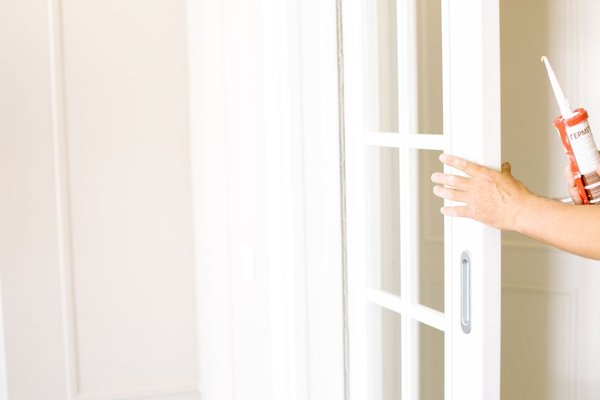
That little squeak when you open a bedroom or kitchen door can become surprisingly irritating. Fortunately, learning how to fix a squeaky door is usually straightforward. Most noisy hinges need a little cleaning, suitable lubricant, or attention to a loose screw rather than a new door or an expensive repair.
First, Find Out Where the Squeak Is Coming From
Open and close the door slowly while listening near the top, middle, and bottom hinges. A squeal that happens as the door swings generally points to friction inside a hinge. A scraping sound near the floor or frame may mean the door is rubbing against something instead.
What You Need for a Simple Squeaky Hinge Fix
Start with a clean cloth, a screwdriver that matches your hinge screws, and a small amount of hinge-safe lubricant. A silicone-based lubricant or white lithium grease is commonly used for metal door hinges; follow the product instructions and check compatibility with nearby finishes.
Keep a piece of cardboard or an old towel beneath the hinge to catch drips. For a hinge that needs deeper cleaning, you may also need a nail punch or suitable pin-removal tool, a small hammer, and a soft brush. You will not need all of these for every noisy door repair.
How to Fix a Squeaky Door Step by Step
1. Check and Tighten the Hinge Screws
With the door supported in its normal position, gently test the screws on the door and frame sides of each hinge. Tighten any that have worked loose, but stop when snug. Overtightening can strip the wood or damage the screw head.
Loose hinges let the door move slightly out of alignment, creating friction that lubricant alone cannot correct. If a screw keeps turning without gripping, the hole may need a proper wood repair before the hinge will stay secure.
2. Wipe Away Dust and Old Residue
Clean the exposed hinge knuckles and surrounding areas with a dry cloth. Remove visible dirt, sticky residue, and loose paint flakes without forcing debris farther into the hinge. A soft brush is helpful around narrow gaps.
If old lubricant has hardened, a more thorough cleaning may be necessary. Avoid soaking painted doors or wooden frames with solvents, and never mix cleaning products without checking their directions.
3. Apply a Small Amount of Lubricant
Place a little lubricant where the hinge knuckles meet and around the pin opening, following the applicator directions. Move the door gently back and forth several times so it can work into the moving surfaces. Wipe away excess immediately to prevent drips and dust buildup.
4. Test the Door Again
Open and close the door through its full swing. Listen for a remaining squeak and check whether it latches normally. If it is quiet, clean the surrounding area and you are finished. If the noise persists, move on to a closer inspection rather than repeatedly adding lubricant.
What If the Squeak Keeps Coming Back?
A noise that returns after a day or two can mean the lubricant did not reach the pin, the hinge contains trapped grime, or the metal parts are worn. On a conventional removable-pin hinge, deeper cleaning may help.
Support the door securely and work on only one hinge at a time. If the hinge is designed for pin removal, gently lift its pin with an appropriate tool. Clean off grime, examine it for bending or rust, add a thin coating of suitable lubricant, and reinstall it fully. Test the door before touching another hinge.
Do not attempt this on spring-loaded, self-closing, security, or unfamiliar hinge designs. Their pins or mechanisms may require specific handling. If the door is very heavy, unusually large, or fire-rated, follow the manufacturer’s guidance or ask a qualified professional instead.
Consider a practical example: a hallway door squeaks near the top hinge every morning. You lubricate it, but the noise returns by the weekend. On inspection, the top screws are loose and the door has dropped slightly. Securing the hinge and correcting the loose fixing tackles the underlying movement, while fresh lubricant addresses the remaining friction.
Choosing the Right Lubricant for Door Hinges
Silicone-based products can provide a relatively clean application, while white lithium grease is often chosen for longer-lasting lubrication on suitable metal hinges. Product formulations vary, so follow their labels and avoid contact with flooring, upholstery, and finishes unless the product is approved for those surfaces.
A water-displacing spray can sometimes free a stiff or dirty hinge, but it is not always the best long-term hinge lubricant. Cooking oil is also a poor substitute because it can become sticky and attract dust. If you only have an unsuitable product available, it is better to wait for the right lubricant than create another cleaning job.
When the Real Problem Is Door Alignment
Not every sound is a dry hinge. If the door scrapes the jamb, drags on the floor, or needs lifting to latch, inspect its alignment. Tighten door hinges first, then check whether the screws still hold firmly in the frame. A worn or bent hinge may need replacing with a correctly sized equivalent.
Do not start planing the edge of a door simply because it squeaks. That removes material permanently and will not fix a noisy hinge pin. For related household upkeep, useful next topics include fixing a sticking door, repairing stripped screw holes, and creating a seasonal home maintenance checklist.
How to Keep Hinges Quiet for Longer
Bathrooms, entryways, and other humid locations deserve extra attention because moisture can encourage corrosion. If the hinge is visibly pitted, bent, or badly worn, replacement is often more effective than continuing to lubricate it.
Frequently Asked Questions
Can I fix a squeaky door without removing the hinge pin?
Yes. Most ordinary squeaks can be addressed by tightening loose screws, cleaning exposed areas, and applying a small amount of appropriate lubricant to the moving joints. Removing a pin is usually a later step, not the starting point.
Why does my door still squeak after I oil it?
The lubricant might not have reached the friction point, or the hinge may be dirty, loose, bent, or worn. Check the screws and alignment, then consider deeper cleaning if the hinge design allows it.
Is it safe to use household cooking oil on door hinges?
It is not recommended. Cooking oil can collect dirt and become sticky over time. A lubricant intended for metal hinges is a more reliable choice.
When should I replace a squeaky hinge?
Replace it if the hinge is cracked, noticeably bent, badly corroded, or still grinds after cleaning and correct lubrication. Match its size, screw pattern, and load requirements, particularly on heavier doors.
A Quiet Door Starts With the Right Fix
For most households, how to fix a squeaky door comes down to locating the noisy hinge, tightening the hardware, cleaning away grime, and adding just enough suitable lubricant. Take the time to identify scraping or alignment problems too. A small, precise repair is far more satisfying than masking the noise for another day.