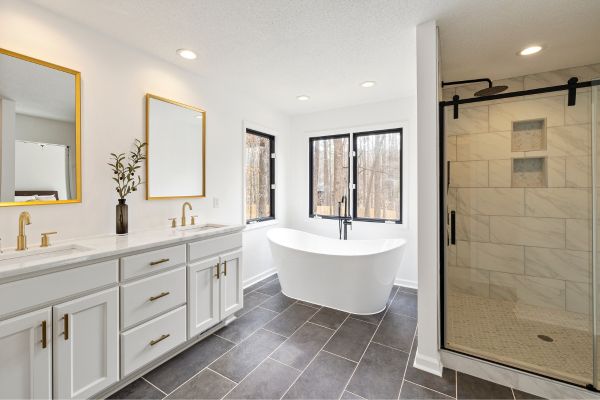
Bathroom flooring has a harder job than most people realize. It has to handle splashes, steam, damp towels, muddy footprints, cleaning products, and daily traffic without losing its shape or style. In many homes, the bathroom is also one of the smallest spaces, which means the floor has a big visual impact. A beautiful floor can make the whole room feel finished, while the wrong one can make even new fixtures look slightly off.
Choosing between bathroom flooring options is not only about color or pattern. It is about moisture resistance, comfort, cleaning, durability, installation, and budget. Some floors are affordable and easy to replace. Others cost more upfront but can last for decades. Some feel warm and soft underfoot, while others offer a crisp, classic look that never really goes out of style.
The best choice depends on how the bathroom is used. A busy family bathroom needs something practical and forgiving. A guest powder room can handle more decorative materials. A primary bathroom may call for a balance of comfort and style. Once you understand the strengths and limits of each option, the decision becomes much easier.
Ceramic Tile for a Reliable Everyday Choice
Ceramic tile remains one of the most common bathroom flooring options, and there is a good reason for that. It handles moisture well, comes in endless colors and patterns, and can fit many budgets. From simple white squares to handmade-look tiles with soft edges, ceramic can feel plain, traditional, playful, or modern depending on the design.
One of its biggest advantages is practicality. Ceramic tile is easy to clean and does not absorb water when properly installed and grouted. It can work in small bathrooms, large bathrooms, powder rooms, and shower-adjacent areas. For homeowners who want something dependable without spending too much, ceramic is often a sensible middle ground.
The main thing to consider is texture. Glossy tiles can look bright and polished, but they may become slippery when wet. A matte or lightly textured finish usually feels safer underfoot. Grout also needs attention. Lighter grout can show stains over time, while darker grout may be more forgiving in a busy bathroom.
Porcelain Tile for Long-Term Durability
Porcelain tile is similar to ceramic, but it is denser, stronger, and usually less porous. This makes it especially suitable for bathrooms that see heavy use. It can handle moisture, wear, and frequent cleaning very well. If durability is a priority, porcelain is one of the strongest flooring choices available.
Another reason porcelain is so popular is its ability to mimic other materials. It can look like marble, limestone, concrete, terrazzo, or even wood. This gives homeowners the look of natural materials without some of the maintenance concerns. A wood-look porcelain floor, for example, can bring warmth into a bathroom while still performing well around water.
Porcelain can cost more than standard ceramic, and installation may also be slightly more expensive because the material is harder to cut. Still, for many bathrooms, the long-term value is excellent. It is a good choice when you want a floor that feels polished, practical, and built to last.
Vinyl Flooring for Budget-Friendly Comfort
Vinyl has changed a lot over the years. It is no longer limited to thin sheets with dated patterns. Modern vinyl flooring can look surprisingly stylish, and it remains one of the most budget-friendly bathroom flooring options. It is also comfortable underfoot, warmer than tile, and easier to install in many cases.
Luxury vinyl plank and luxury vinyl tile are especially popular because they can imitate wood, stone, or ceramic designs. They are water-resistant, and many products are designed for damp spaces. For rental properties, starter homes, or quick bathroom updates, vinyl can offer a fresh look without a major renovation budget.
Sheet vinyl is another practical option because it has fewer seams, which can be useful in a bathroom. Fewer seams mean fewer places for water to slip through. However, the final result depends heavily on proper installation. If moisture gets underneath the floor, problems can develop over time.
Vinyl is not usually considered as long-lasting or high-end as tile or stone, but it makes sense for many real homes. It is forgiving, affordable, and comfortable. Sometimes that matters more than having the most luxurious material.
Natural Stone for Character and Elegance
Natural stone has a beauty that manufactured materials try to imitate but rarely fully match. Marble, slate, travertine, limestone, and granite each bring their own texture, veining, and color variation. A stone bathroom floor can feel rich, grounded, and timeless.
However, stone requires more care than many other bathroom flooring options. Most natural stones need sealing to protect against moisture and stains. Some stones, like marble and limestone, are more sensitive to acidic cleaners and can etch or dull over time. Slate and granite tend to be tougher, though they still need proper maintenance.
Stone can also be expensive, both in material and installation. It is heavy, and the subfloor may need to be suitable for the added weight. For smaller bathrooms or powder rooms, stone can be more manageable because the area is limited. In a full family bathroom, it may require more commitment.
Still, for those who appreciate natural variation and do not mind maintenance, stone has a depth that few materials can match. It ages in a way that feels real, not manufactured.
Engineered Wood for Warmth with Caution
Wood brings warmth to a bathroom in a way that tile and stone sometimes cannot. It softens the room and makes it feel more connected to the rest of the home. Traditional hardwood, however, is risky in bathrooms because moisture can cause swelling, warping, or staining.
Engineered wood is a more stable alternative because it is made with layers that resist movement better than solid hardwood. It can work in powder rooms or bathrooms where moisture is carefully controlled. Good ventilation, quick cleanup of spills, and proper sealing are important.
Even with engineered wood, caution is necessary. It may not be the best choice for children’s bathrooms, wet rooms, or spaces where water often sits on the floor. If you love the look of wood but want less worry, wood-look porcelain tile or luxury vinyl plank may be a safer option.
That said, in the right bathroom, engineered wood can look beautiful. It creates a softer, more furniture-like feeling, especially when paired with classic fixtures, warm paint colors, or natural textiles.
Laminate Flooring for Low-Cost Style
Laminate flooring is often chosen for its affordability and wide variety of designs. It can imitate wood or stone at a lower cost, and installation is usually straightforward. For some bathrooms, especially powder rooms, laminate can be a practical choice.
The challenge is moisture. Standard laminate does not handle standing water well. If water gets into the seams, the core can swell, and the floor may become damaged. Some newer water-resistant laminate products perform better, but they still need careful installation and proper sealing around edges, toilets, and tubs.
Laminate is best suited to bathrooms that do not get very wet. A half bath or guest powder room is usually a better setting than a full bathroom with daily showers. It can deliver a stylish look on a tight budget, but it should be chosen with realistic expectations.
Concrete Flooring for a Modern Industrial Look
Concrete bathroom floors have a clean, modern quality that works well in contemporary, minimalist, and industrial-style homes. They can be polished, stained, textured, or sealed for different effects. Concrete also pairs nicely with wood, black fixtures, glass, and simple white walls.
Durability is one of its strengths. Properly sealed concrete can handle moisture and daily wear. It is also compatible with radiant heating, which can make it feel much more comfortable underfoot. Without heating, concrete can feel cold and hard, especially in the morning.
Concrete does require sealing to protect it from stains and water absorption. It may also develop small cracks over time, which some people see as character and others see as a flaw. The final look depends heavily on skilled installation and finishing.
For homeowners who want something sleek and less traditional, concrete can be a strong design choice. It is not the softest or warmest option visually, but with the right finishes, it can feel calm and sophisticated.
Cork Flooring for Softness and Warmth
Cork is not the first material many people think of for bathrooms, but it has some appealing qualities. It feels soft and warm underfoot, which can be a nice change from cold tile. It also has a natural look that works well in relaxed, eco-conscious, or cozy interiors.
Because cork is a natural material, it must be properly sealed for bathroom use. Moisture is the main concern. If water seeps into seams or damaged areas, the floor can swell or deteriorate. For that reason, cork may be better for powder rooms or bathrooms where splashes are limited.
Its comfort is the biggest advantage. Standing at the sink or stepping out of bed into a nearby bathroom feels gentler on cork than on stone or porcelain. It also adds a quiet, slightly cushioned feel to the room.
Cork is not the most common bathroom flooring choice, but for the right space, it offers something different: warmth, softness, and a natural texture that feels easy to live with.
Terrazzo for Pattern and Personality
Terrazzo has made a strong return in modern interiors. Made from chips of marble, quartz, glass, or other materials set into a binder, terrazzo creates a speckled pattern that can be subtle or bold. In bathrooms, it can bring personality without relying on busy decorative tiles.
Terrazzo can be used in traditional poured form or as tiles. It is durable and stylish, though cost varies widely depending on the material and installation method. Large terrazzo patterns can make a bathroom feel playful and modern, while smaller chips in neutral tones create a softer, classic look.
Maintenance depends on the type of terrazzo and how it is sealed. Like stone, it may need care to keep it looking its best. It is not always the cheapest option, but it can make a strong visual statement.
For bathrooms that need a little energy, terrazzo is a wonderful choice. It adds movement to the floor while still feeling sophisticated when the colors are well chosen.
What to Consider Before Choosing a Bathroom Floor
Before settling on a material, it helps to think about daily life in the bathroom. Is it used by children? Does water often splash outside the tub or shower? Is there good ventilation? Do you prefer a floor that is easy to clean, or are you comfortable with occasional sealing and maintenance?
Slip resistance is also important. A beautiful bathroom floor should still feel safe when wet. Matte finishes, textured surfaces, smaller tiles with more grout lines, and suitable rugs can all improve traction.
Budget should include more than the cost of the flooring itself. Installation, underlayment, waterproofing, grout, sealing, trims, and removal of old flooring can all affect the final price. A material that seems cheap at first may become more expensive if it requires extra preparation. On the other hand, a higher-cost floor may offer better durability over time.
The style of the rest of the bathroom matters too. A dramatic patterned floor can become the main feature, while a quiet neutral floor can let the vanity, tile, or wall color stand out. The best choice is not always the most expensive one. It is the one that suits the room and the way you use it.
Conclusion
There are many bathroom flooring options, and each one brings its own balance of style, cost, comfort, and care. Ceramic and porcelain tiles remain reliable favorites because they handle moisture so well. Vinyl offers an affordable and comfortable solution for budget-conscious updates. Natural stone adds character and elegance, while concrete, terrazzo, cork, laminate, and engineered wood each create a different mood.
A bathroom floor should be attractive, but it also needs to be practical. It should stand up to water, feel safe underfoot, and fit naturally with the rest of the space. When you choose with both beauty and daily use in mind, the floor becomes more than a surface. It becomes the foundation for a bathroom that feels finished, comfortable, and ready for real life.