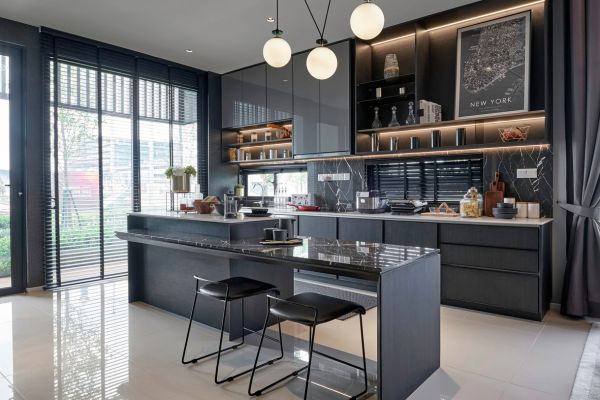
The kitchen has quietly become one of the most energy-intensive spaces in modern homes. It is where appliances run constantly, water usage adds up quickly, packaging waste accumulates almost unnoticed, and food scraps often end up in the trash without much thought. Yet despite all that activity, the kitchen is also one of the easiest places to make meaningful sustainability changes without completely changing daily life.
That shift toward mindful living is one reason eco-friendly kitchen upgrades have gained so much attention in recent years. People are becoming more aware that sustainability is not only about solar panels or large home renovations. Sometimes it begins with smaller, more practical decisions — choosing efficient appliances, reducing waste, improving lighting, or selecting longer-lasting materials.
Interestingly, many environmentally conscious kitchen upgrades also create calmer, more functional spaces. A sustainable kitchen often ends up feeling less cluttered, more intentional, and easier to maintain over time. It is not about perfection or turning a home into a showroom for green living. It is about building habits and spaces that waste less while still feeling warm and livable.
Energy-Efficient Appliances Make a Bigger Difference Than Expected
Appliances quietly account for a large portion of household energy consumption, especially in kitchens where refrigerators, ovens, and dishwashers run regularly throughout the week.
Older appliances tend to consume significantly more electricity than newer energy-efficient models. Refrigerators are a particularly important example because they operate constantly, day and night, every season of the year. Even moderate efficiency improvements can noticeably reduce long-term energy use.
Dishwashers have evolved considerably as well. Many newer models use less water while cleaning more effectively than older machines. The same goes for induction cooktops, which heat cookware directly instead of wasting excess heat into the surrounding air.
What surprises many homeowners is that eco-friendly kitchen upgrades often improve comfort alongside sustainability. Efficient appliances typically operate more quietly, produce less excess heat, and create smoother day-to-day kitchen experiences.
The environmental benefits matter, but so does the feeling of a kitchen that works more efficiently overall.
Sustainable Materials Are Becoming More Popular
Kitchen renovations generate enormous amounts of waste, especially when cabinets, countertops, and flooring are completely replaced. Because of that, material selection has become a growing focus in sustainable kitchen design.
Bamboo, reclaimed wood, recycled metal, and recycled glass surfaces are increasingly common alternatives to more resource-intensive materials. Bamboo, for instance, grows far faster than traditional hardwoods, making it a renewable option for cabinetry and flooring.
Reclaimed wood brings a different kind of appeal. Older timber often carries texture and character that newer materials cannot easily replicate. Small imperfections, weathering, and visible grain patterns give kitchens a more lived-in atmosphere.
Countertops made from recycled materials are also gaining attention. Some combine crushed glass, reclaimed stone, or recycled paper composites to create surprisingly durable surfaces with unique visual textures.
Sustainable materials do not necessarily look overly rustic or unconventional anymore either. Modern eco-conscious kitchens range from minimalist contemporary designs to warm traditional spaces.
Lighting Has a Bigger Environmental Impact Than Many Realize
Lighting choices influence both energy consumption and the overall atmosphere of a kitchen. Older incandescent bulbs waste large amounts of energy as heat, while modern LED lighting uses significantly less electricity and lasts much longer.
The practical advantages are hard to ignore. LEDs reduce replacement frequency, consume less power, and often provide more consistent brightness. In kitchens where lights stay on for extended periods, those small differences add up over time.
Natural light matters just as much. Kitchens with better daylight exposure often feel larger, calmer, and more inviting. Simple adjustments like lighter wall colors, reflective surfaces, or unobstructed windows can reduce reliance on artificial lighting during the day.
Some homeowners also add layered lighting systems that allow certain areas of the kitchen to remain softly illuminated without fully lighting the entire room.
The shift toward energy-conscious lighting often changes not only utility bills but also how the kitchen feels emotionally.
Water Conservation Is Becoming Part of Kitchen Design
Water waste tends to happen gradually and quietly. A dripping faucet, inefficient dishwasher, or excessive rinsing habits may not seem significant individually, but over time the impact becomes substantial.
Low-flow faucets and water-efficient fixtures are now widely available without sacrificing functionality. Some designs even improve water pressure perception while using less water overall.
Dishwasher technology has improved in this area too. Surprisingly, modern dishwashers often use less water than handwashing large loads manually, especially when operated efficiently.
Small behavioral changes matter alongside hardware upgrades. Running full dishwasher loads, fixing leaks promptly, and rethinking unnecessary water use all contribute to a more sustainable kitchen environment.
What makes these changes interesting is how quickly they become invisible habits. After a while, the kitchen simply operates more efficiently without requiring constant attention.
Reducing Kitchen Waste Changes Everyday Habits
One of the most immediate forms of sustainability in the kitchen involves waste reduction. Packaging waste, disposable products, and food waste collectively create a major environmental burden in many households.
Reusable glass containers, cloth towels, refillable storage systems, and durable kitchen tools reduce dependence on disposable products over time. Composting systems have also become more accessible, even for apartment living, allowing food scraps to be diverted from landfills.
Food waste itself is receiving more attention now than it did years ago. Meal planning, proper food storage, and creative use of leftovers all help reduce unnecessary waste while often simplifying grocery routines.
Some eco-friendly kitchen upgrades are not really upgrades at all in the traditional sense. They are shifts in behavior supported by smarter organization and intentional purchasing habits.
In many homes, sustainability quietly begins with paying closer attention to what gets thrown away.
Open Shelving Encourages More Intentional Consumption
Open shelving has become a common design trend, but it also connects surprisingly well with sustainable living when approached thoughtfully.
Visible storage naturally encourages people to keep only what they regularly use. Overcrowded cabinets filled with forgotten gadgets or duplicate cookware become harder to ignore when items remain partially exposed.
Open shelves can also reduce the need for excessive cabinetry materials while creating lighter, more breathable kitchens. When styled carefully, they encourage simplicity without making the room feel empty.
Of course, balance matters. Too much visible clutter defeats the purpose entirely. Sustainable kitchens often work best when storage feels practical rather than excessive.
There is something psychologically calming about a kitchen where every item seems to have a clear purpose.
Durable Design Often Matters More Than Trendy Design
One overlooked aspect of sustainability is longevity. Kitchens redesigned every few years generate substantial waste, even when environmentally friendly materials are involved.
Timeless layouts and durable finishes tend to age better than highly trend-driven designs. Neutral cabinetry, classic materials, and adaptable color palettes often remain appealing longer, reducing the likelihood of premature renovations.
Durability matters just as much in smaller details. Well-made hardware, solid countertops, and quality flooring reduce replacement cycles and long-term waste generation.
Interestingly, sustainable kitchens often feel calmer because they avoid chasing constant novelty. Instead of focusing on short-lived trends, they prioritize materials and layouts that continue functioning well over time.
That approach creates spaces that feel more grounded and less disposable.
Indoor Air Quality Is Becoming Part of Sustainable Kitchens
People often associate eco-friendly living with energy efficiency or recycling, but indoor air quality is becoming another important consideration in kitchen design.
Certain paints, adhesives, cabinets, and synthetic materials release volatile organic compounds into the air over time. Low-VOC finishes and natural materials help reduce indoor pollution levels while creating healthier environments.
Ventilation matters too. Proper kitchen ventilation improves air circulation, reduces excess moisture, and minimizes cooking-related pollutants lingering indoors.
Plants are sometimes incorporated into sustainable kitchen spaces for both aesthetic and environmental reasons. Herbs near windowsills or small indoor greenery can soften the atmosphere while reinforcing the connection between food and natural living.
These details may seem subtle individually, yet together they shape how comfortable a kitchen feels every day.
Smaller Kitchens Are Influencing Sustainable Design
The growing popularity of compact living spaces has also encouraged more efficient kitchen design. Smaller kitchens naturally require fewer materials, less energy for lighting, and more intentional storage solutions.
This does not mean sacrificing comfort. In many cases, smaller kitchens encourage smarter layouts and reduced clutter. Multi-functional furniture, compact appliances, and vertical storage systems all contribute to more resource-conscious spaces.
Minimalism overlaps with sustainability here in interesting ways. Owning fewer but more useful items often creates kitchens that feel less chaotic and easier to maintain.
Eco-friendly kitchen upgrades are not always about adding more technology or expensive features. Sometimes sustainability comes from simplifying the space itself.
Conclusion
Sustainable kitchens are not built through a single dramatic renovation or one perfect purchasing decision. More often, they evolve gradually through a series of thoughtful choices that reduce waste, improve efficiency, and create healthier living environments over time.
The appeal of eco-friendly kitchen upgrades goes beyond environmental responsibility alone. Many of these changes also lead to kitchens that feel calmer, more organized, and more functional in daily life. Efficient appliances reduce noise and energy use. Sustainable materials add warmth and character. Smarter storage and waste reduction simplify routines in ways people genuinely notice.
Perhaps that is why sustainable kitchen design continues gaining momentum. It does not ask people to abandon comfort or style. Instead, it encourages a more intentional relationship with the spaces used every single day.
In the end, the most meaningful eco-friendly kitchens are rarely the most extravagant ones. They are the spaces that quietly support better habits, waste less, and remain enjoyable to live with long after trends have faded.