For years, many rooms were designed around a single safe wood finish, often pale oak repeated from flooring to furniture. In 2026, that matched look is giving way to something warmer and more collected: mixed wood tones that combine light, medium, and dark finishes in the same space. The appeal is not simply contrast. It reflects a broader move toward natural materials, visible grain, richer colour, and interiors that feel connected to nature rather than perfectly coordinated.
The good news is that mixing woods does not require every piece to share the same stain. The most convincing rooms usually look as though they have evolved over time. The trick is to create enough repetition and balance that different woods feel intentional rather than accidental.
Why mixed wood tones feel right in 2026
Current wood furniture trends are moving beyond the all-light palette that dominated many minimalist interiors. Pale oak still has a place, but walnut, darker stained woods, burl, reclaimed finishes, and visibly grained pieces are bringing depth back into rooms. That shift works naturally with biophilic design, where wood, stone, plants, daylight, and earthy colours help make a home feel more grounded.
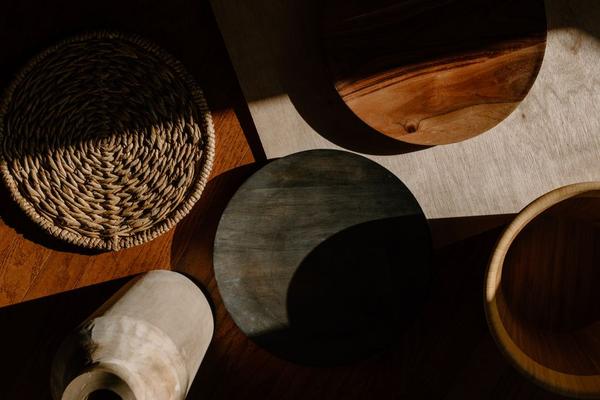
Mixing light and dark woods also creates visual rhythm. A light floor can keep a room airy while a dark walnut table gives the space more weight. A medium-toned cabinet can bridge the gap, adding layers without forcing every timber surface to match.
Start with one dominant wood tone
The easiest way to control a wood tone pairing is to decide which finish will act as the visual base. In many homes, that choice is already made by the largest fixed surface: hardwood flooring, kitchen cabinetry, wall panelling, or a large built-in.
If the floor is light oak, for example, let that remain the dominant tone. You can then add darker woods through a dining table, sideboard, occasional chair, or picture frames. If the room has dark timber cabinetry, use lighter woods in stools, shelving, or a coffee table to stop the scheme from becoming heavy.
A useful rule is to avoid giving every tone equal visual weight. One dominant wood, one supporting tone, and a smaller accent finish usually feels calmer than five unrelated finishes competing for attention.
Pay attention to undertones, not exact colour matches
Two woods can be different in depth and still work beautifully if their undertones are compatible. Warm woods often lean golden, honey, red, or orange, while cooler finishes can have grey, taupe, or slightly ashy notes. You do not need an exact match, but recognising those undertones makes mixing easier.
Honey oak with walnut can feel cohesive because both have warmth despite their contrast. If existing flooring has a cooler, washed finish, a red-toned cherry piece may stand out more sharply and benefit from a rug or textile that connects the colours.
Use grain and finish to create another layer of harmony
Colour gets most of the attention, but grain matters too. A figured burl table beside strongly patterned oak flooring creates plenty of movement, so quieter wood on nearby chairs or cabinetry can give the eye somewhere to rest.
Finish also changes how two similar woods read. Matte and softly oiled surfaces tend to blend easily because they emphasise natural texture. Highly glossy stained wood can feel more formal and visually separate. In 2026, the preference for visible grain, imperfect surfaces, and tactile materials makes natural or low-sheen finishes especially easy to layer.
For more ideas on working with natural surfaces, a useful internal topic would be material and texture trends for 2026.
Repeat each wood tone at least once
A single dark table in a room full of pale timber can look isolated. Repeating that darker note somewhere else creates a relationship. The second appearance does not need to be large. A dark wood lamp base, mirror frame, stool, or shelf can be enough to make the first piece feel deliberate.
The same principle works in reverse. If a room is dominated by medium and dark woods, a pale oak bench can feel abrupt unless a second light element appears elsewhere. Repetition is one of the simplest ways to make mixed wood tones look designed rather than improvised.
Use a practical three-tone formula
Consider a living room with pale oak flooring, a walnut media unit, and an older medium-brown armchair with exposed wooden arms. Rather than replacing the chair because it does not match, use the three tones as a planned palette. Keep the oak dominant through the floor, repeat walnut in two small frames, and echo the chair’s medium brown with a side table. Add an oatmeal rug and olive textiles to soften the transitions.
This works because every wood has a role, while the rug and textiles create breathing space between hard surfaces. When choosing new pieces, compare samples beside the existing wood in daylight before buying; timber can look surprisingly different under warm artificial lighting.
Related internal topics that fit naturally here include choosing natural materials for interiors and biophilic living room ideas.
What to avoid when mixing woods
The biggest mistake is trying to make near-matches look identical. Two almost-same brown stains often look more awkward than an intentional light-and-dark contrast. If a new piece cannot match the existing finish closely, choose a clearly different tone instead.
Also avoid concentrating all dark wood on one side of the room. Spread visual weight so the space feels balanced. Finally, do not forget other materials. Stone, metal, upholstery, rugs, and painted surfaces can separate wood pieces and prevent the room from feeling like a furniture showroom.
FAQ
Can you mix light and dark wood furniture in the same room?
Yes. Light and dark woods often work especially well together because the contrast looks intentional. Choose one dominant tone, repeat the secondary tone, and use rugs or textiles to soften transitions.
How many wood tones should be in one room?
Two or three tones are an easy starting point for most rooms. More can work in layered or eclectic interiors, but repetition and balance become more important as the number of finishes increases.
Do wood undertones need to match?
They do not have to match exactly, but compatible undertones usually create a calmer result. Warm woods tend to pair easily with other warm finishes, while strong red or grey undertones may need careful balancing.
Should wood furniture match wood flooring?
No. Furniture can contrast with the floor. In fact, a darker table on light oak flooring, or pale furniture against deeper timber floors, can add definition and keep the room from looking flat.
Make the mix look collected, not coordinated
The strongest wood tone mixing in 2026 is less about following a rigid matching rule and more about building a material story. Start with the wood already present, add contrast on purpose, repeat important tones, and let grain and texture remain visible. When light and dark woods are balanced rather than forced to match, a room feels warmer, more natural, and more personal.