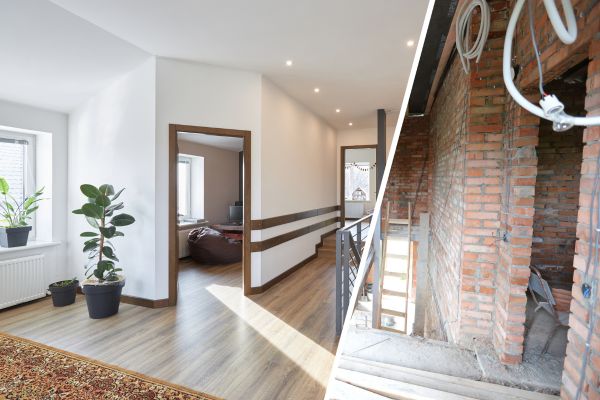
For many homeowners, the idea of renovating or repairing a house can feel both exciting and overwhelming. A new roof, improved insulation, updated plumbing, or accessibility upgrades can dramatically improve comfort and safety. But these projects often come with a hefty price tag. That’s where government grants for home improvement enter the conversation.
Unlike loans, grants generally do not need to be repaid, making them a valuable resource for homeowners who need help covering renovation costs. These programs are often designed to support energy efficiency, safety improvements, accessibility upgrades, or housing stability for specific groups of people.
Understanding what grants exist—and who qualifies for them—can make a significant difference when planning home improvements. While not every homeowner will qualify, many programs exist that quietly help thousands of households each year.
Why Governments Offer Home Improvement Grants
Housing plays a crucial role in public health, safety, and economic stability. When homes fall into disrepair, the consequences extend beyond individual households. Poor insulation increases energy consumption, unsafe structures can lead to injuries, and inaccessible housing can limit independence for elderly residents or people with disabilities.
Government grants for home improvement are often designed to address these broader social concerns. By helping homeowners repair and modernize their properties, governments can improve community safety, reduce energy usage, and support aging populations who want to remain in their homes.
Many of these programs focus on specific goals such as improving energy efficiency, supporting low-income homeowners, or upgrading homes to meet accessibility standards. In many cases, grants target households that would otherwise struggle to afford necessary repairs.
Who Typically Qualifies for Home Improvement Grants
Eligibility requirements vary widely depending on the program and location, but certain patterns appear across many grant initiatives.
Income level is one of the most common criteria. Many grants are designed specifically for low-income or moderate-income households that may not have access to traditional financing options. Local governments often use regional income thresholds to determine eligibility.
Age can also be a factor. Some grants focus on older homeowners who want to age safely in place. These programs may fund accessibility modifications such as ramps, walk-in showers, wider doorways, or handrails.
Homeownership status usually matters as well. Grants typically require applicants to own and occupy the property as their primary residence. Investment properties and vacation homes rarely qualify.
Finally, the type of improvement often influences eligibility. Certain programs support structural repairs, while others prioritize energy efficiency or accessibility upgrades.
Grants That Support Energy Efficiency Improvements
Energy efficiency has become a central focus of many housing programs. Governments around the world recognize that improving residential energy performance can reduce environmental impact while lowering household utility bills.
Many energy-related government grants for home improvement cover upgrades such as insulation installation, window replacements, heat pumps, solar panels, or energy-efficient heating systems. These projects not only reduce energy use but also make homes more comfortable throughout the year.
Some programs even include energy audits as a starting point. A professional evaluation identifies areas where energy is being wasted, helping homeowners prioritize improvements that will have the greatest impact.
In colder climates, insulation and weatherization grants are particularly common. In warmer regions, grants may focus on efficient cooling systems or solar energy installations.
Although the exact programs differ by country and region, energy-focused grants are often among the most widely available forms of home improvement assistance.
Assistance for Safety and Structural Repairs
Not every home improvement project is about aesthetics or modernization. For many homeowners, the most pressing need involves basic safety and structural stability.
Government grants sometimes cover essential repairs such as roof replacements, electrical updates, plumbing repairs, foundation stabilization, or removal of hazardous materials like lead paint or asbestos.
These grants are particularly important for older homes where decades of wear and tear can create serious problems. In some cases, local housing authorities or community development agencies administer these programs to ensure that properties remain safe for occupants and neighborhoods.
Safety-focused grants may also support improvements such as smoke detector installations, mold remediation, or structural reinforcement after natural disasters.
While these programs may not transform a home’s appearance, they can dramatically improve safety and livability.
Accessibility Grants for Aging and Disability Needs
As populations age, the demand for accessible housing continues to grow. Many homeowners wish to remain in familiar surroundings rather than move into assisted living facilities, but older homes often lack accessibility features.
Certain government grants for home improvement are designed specifically to make homes safer and more accessible for people with mobility challenges.
These improvements can include installing wheelchair ramps, stair lifts, widened doorways, accessible bathrooms, and non-slip flooring. In some cases, grants also fund smart-home technologies that support independent living.
Programs targeting accessibility are often administered through housing agencies or departments focused on aging and disability services. Eligibility requirements may include medical documentation or proof of mobility limitations.
These modifications can make a profound difference in quality of life, allowing residents to remain independent while reducing the risk of injury.
Rural Housing Repair Programs
Homeowners in rural areas often face unique challenges when it comes to home maintenance. Lower property values, limited contractor availability, and lower average incomes can make repairs especially difficult.
In response, some governments offer grant programs specifically designed for rural housing improvements. These programs may cover essential repairs that protect both homeowners and communities.
Rural housing grants often prioritize safety upgrades, structural repairs, and accessibility modifications. In many cases, the goal is to help long-term residents remain in their homes while maintaining safe living conditions.
These initiatives frequently work alongside local development programs aimed at strengthening rural communities and preserving housing stock.
Local and Community-Based Grant Programs
While national housing programs often receive the most attention, many valuable grants are administered at the local level.
City governments, counties, and regional housing authorities sometimes offer smaller grant programs funded through community development budgets or housing initiatives. These grants may focus on neighborhood revitalization, property maintenance, or energy improvements.
Because these programs operate locally, they may have more flexible requirements than national initiatives. However, they can also be less widely advertised, which means homeowners sometimes overlook them.
Checking with local housing departments or community development offices can reveal programs that are not widely promoted online but still provide meaningful assistance.
Understanding the Application Process
Applying for government grants for home improvement often requires patience and preparation. Each program has its own documentation requirements and approval process.
Applicants are typically asked to provide proof of homeownership, income verification, property details, and cost estimates for the proposed improvements. Some programs may also require home inspections to confirm the need for repairs.
Because many grants have limited funding, applications are sometimes reviewed on a first-come, first-served basis. In other cases, applicants may be placed on waiting lists until funds become available.
Working with local housing agencies or nonprofit organizations can sometimes help homeowners navigate the process and identify suitable programs.
Why Grants Are Often Overlooked
Despite the benefits, many homeowners never explore government grants simply because they assume they won’t qualify. Others mistakenly believe that assistance programs are only available for extreme cases of financial hardship.
In reality, eligibility criteria vary widely, and some programs are designed for moderate-income households or specific improvement projects. Energy efficiency grants, in particular, are sometimes available to a broader range of homeowners.
Awareness remains one of the biggest barriers. Information about available programs can be scattered across different government departments, making it difficult to identify relevant opportunities.
Taking the time to research local, regional, and national housing programs can uncover resources that might otherwise go unnoticed.
The Long-Term Impact of Home Improvement Grants
Home improvement grants do more than repair individual properties. Over time, they contribute to stronger communities and healthier housing environments.
Upgraded homes are safer for residents, more energy efficient, and often better equipped to withstand extreme weather conditions. In neighborhoods where many homes receive improvements, the benefits extend beyond individual households.
Improved housing conditions can increase property values, reduce energy consumption, and create more stable communities. These outcomes are precisely why governments continue to invest in housing improvement programs.
A Final Reflection on Home Improvement Grants
For homeowners facing costly repairs or needed upgrades, the idea of financial assistance can feel both hopeful and uncertain. Government grants for home improvement offer one pathway toward making necessary changes without taking on additional debt.
While eligibility requirements and availability vary widely, these programs reflect a broader commitment to maintaining safe, efficient, and accessible housing. From energy upgrades to structural repairs and accessibility improvements, grants help ensure that homes remain livable and sustainable.
For those willing to explore available options, these programs can transform projects that once seemed financially out of reach into achievable improvements—benefiting not only individual households but the communities they call home.