A room can be beautifully furnished and still feel strangely flat. The usual cause is not a lack of colour or decorative objects, but a lack of contrast between surfaces. When everything is smooth, new and perfectly coordinated, the space may look finished without feeling settled. Layering textures for a lived-in look gives the eye—and sometimes the hand—more to discover.
This warmer, more personal direction suits 2026 interiors, where natural fibres, visible wood grain, woven details and matte finishes are replacing the polish of overly minimal rooms. The aim is to create enough variety that a home feels gradually collected rather than purchased in one afternoon.
Start With the Surfaces You Already Have
Texture layering works best when it responds to the room instead of covering it. Look first at the fixed elements: flooring, walls, cabinetry, fireplace surrounds and window frames. A home with rustic floorboards already has strong visual texture, so it may need smoother upholstery and quieter accessories. A room with plain walls and a sleek floor can handle chunkier fabrics, woven storage and more pronounced grain.
Think in opposites. Pair rough with refined, soft with firm, matte with gently reflective and tightly woven with loose or irregular. These contrasts make individual materials easier to notice and prevent a neutral palette from becoming dull.
Build a Calm Base Before Adding Detail
A lived-in room is layered, but it should not feel restless. Begin with two or three dominant materials that repeat across the space. Warm timber, natural linen and aged brass, for example, can form a reliable foundation. Smaller textures can then sit around them without creating visual noise.
Colour helps hold the combination together. Cream, clay, olive, muted blue and warm grey allow contrasting surfaces to feel related. Consistent undertones make tactile interior design feel intentional rather than accidental.
Layer Fabrics by Weight, Not Just Colour
Soft furnishings are the quickest route to cozy home styling, yet using several fabrics of the same weight rarely creates much depth. A flat cotton cushion beside another flat cotton cushion may change the pattern, but not the overall feeling. Mix fabrics that drape, hold their shape and catch light differently.
Combine a Range of Weaves
Place a washed-linen cushion next to wool, velvet or a nubby woven fabric. Add a throw with visible loops, fringe or a loose basket weave. On a bed, contrast crisp cotton sheets with a quilted coverlet and a heavier blanket folded across the foot.
Let Window Treatments Join the Scheme
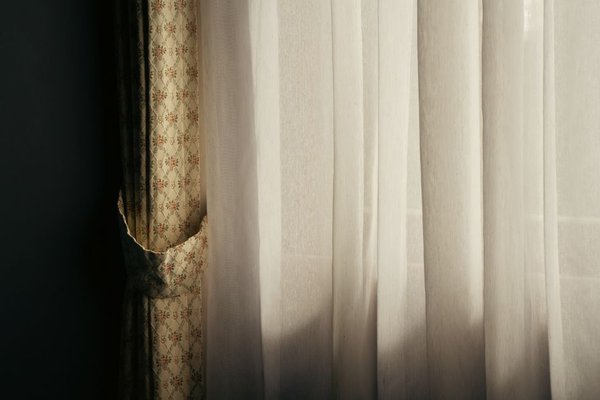
Curtains occupy a large visual area, so treat them as part of the texture plan. Linen or linen-look curtains introduce an easy, slightly relaxed surface. Heavier drapery can ground a large room, while a woven blind adds structure beneath softer curtains.
Use Natural Materials Where Touch Matters
Layered interiors often rely on materials that show grain, weave or small variations. Timber, rattan, cane, wool and handmade ceramics add character without requiring bold colour and often become more appealing as small marks appear.
One substantial natural element can do more than a collection of small decorative pieces. A solid wood coffee table, a large jute-blend rug or an upholstered headboard can establish the tactile direction for the entire room.
Bring Texture Up the Walls
Many rooms concentrate texture below eye level. Canvas artwork, woven hangings, limewash-style paint, timber panelling and textured wallpaper can distribute depth more evenly.
Architectural texture should be selective. Fluted details, reeded glass and ribbed surfaces are prominent in current interiors, but repeating them on every cabinet, wall and accessory can look overly themed. One or two applications are usually enough.
Create Depth With Rugs and Floor Layers
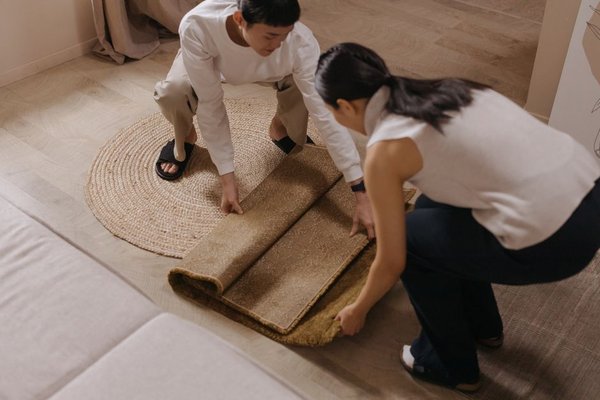
A rug adds softness, absorbs sound and gathers furniture into a zone. Choose a surface that contrasts with the floor beneath it. A wool rug adds warmth to smooth timber or tile, while a flatter woven rug can balance a deeply upholstered sofa.
Layered rugs can work in larger rooms when each has a clear purpose. A broad natural-fibre rug may define the area, with a smaller patterned or softer rug placed over it near the seating. Keep the edges deliberate and away from busy walking routes.
Add a Few Hard and Reflective Notes
Too many soft, earthy materials can make a room feel heavy. Glass, metal, glazed ceramic and polished stone provide relief. Use them as punctuation rather than the main language of the room. A glass lamp base, brass picture frame or glazed bowl can catch light between matte fabrics and wood.
Mixed finishes often feel more lived in than a matching set. Blackened metal, aged brass and stainless steel can coexist when the overall palette remains controlled.
Try a One-Room Texture Audit
Imagine a living room with a beige sofa, plain white walls, laminate flooring and a glass coffee table. Buying more beige cushions would not solve its flatness. A stronger update would be a wool-blend rug, linen curtains, one velvet cushion, one chunky woven cushion, a timber side table and a ceramic lamp with a fabric shade.
Stand at the doorway and check whether all the texture sits in one area. Then view the room from the sofa. If every surface feels equally rough or equally soft, introduce an opposite. This simple audit reveals what the room lacks before you shop.
Leave Space for Age and Personality
A convincing lived-in look includes objects with different histories. Pair a newer sofa with an older side table, books with softened covers, a framed family photograph or pottery collected on a trip. Personal pieces stop texture layering from becoming a showroom formula.
Allow some irregularity too. A slightly rumpled linen throw or a hand-thrown bowl has more ease than a perfectly symmetrical arrangement. Related guides on choosing a warm neutral colour palette, styling shelves without clutter and mixing old and new furniture can help extend the same approach elsewhere.
Frequently Asked Questions
How many textures should be used in one room?
There is no fixed number, but most rooms benefit from several textures repeated in different places. Start with three main materials, then add smaller contrasts through cushions, lighting, artwork and accessories.
Can texture layering work in a colourful home?
Yes. Keep some surfaces visually quiet so colour and texture do not compete everywhere. A bold sofa, for example, can be balanced by a plain wool rug, timber furniture and simple linen curtains.
How do you layer textures without creating clutter?
Use fewer, larger pieces and repeat materials across the room. Leave clear surfaces between textured elements, and remove items that add neither function nor meaningful character.
What textures make a home feel warmer?
Wool, linen, velvet, timber, woven fibres, ceramics and softly finished metals all add warmth. Their effect is strongest when combined with warm lighting and a cohesive colour palette.
Let the Room Develop Rather Than Filling It
The most inviting homes are rarely made from one perfect shopping list. They develop through useful furniture, tactile materials and personal pieces that gradually find their place. Begin with the room’s existing surfaces, add contrast through fabric and natural materials, then stop before every corner is filled. The result will feel warmer, richer and more believable—comfortable, considered and complete.