For years, the safest decorating advice was to simplify: choose a restrained palette, clear the surfaces, and let a few objects do the talking. Thoughtful maximalism takes a different route. It welcomes color, pattern, art, books, textiles, and collections, but it does not treat abundance as an excuse for disorder. The aim is a home that feels expressive, layered, and personal while still being comfortable to live in.
That distinction matters as interiors move away from stark minimalism in 2026. The most appealing maximalist rooms are not filled at random. They are edited around a point of view. A patterned chair relates to a color in the rug, a gallery wall reflects the owner’s interests, and an inherited cabinet adds history rather than merely occupying space.
Start With a Personal Story, Not a Shopping List
Maximalist decorating works best when the room begins with something meaningful. That might be a painting bought on a trip, a collection of ceramics, a vintage textile, or the colors you wear most often. Starting with a personal reference gives the room an identity and prevents it from looking like a catalogue display.
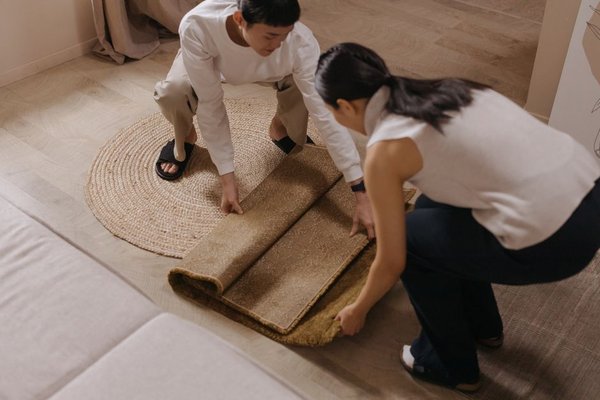
Imagine a living room built around a handwoven rug in rust, indigo, and cream. Use it as a visual guide rather than matching every item exactly. An indigo lamp, a rust cushion, and a cream bookcase create connection. Add family photographs, contemporary artwork, and a worn leather chair, and the room feels collected rather than coordinated.
Create a Clear Visual Hierarchy
A layered decor style still needs places for the eye to land. Choose one dominant feature in each room, such as a large artwork, dramatic headboard, patterned sofa, or wall of books. Supporting elements can be energetic, but they should not all compete at the same volume.
Scale creates hierarchy. A large floral print can be paired with a medium geometric pattern and a small stripe. When every pattern is equally bold and similarly sized, the room may feel restless. Changing the scale creates rhythm and lets each layer remain visible.
Repeat Colors to Make Variety Feel Intentional
Thoughtful maximalism does not require a limited palette, but repetition is essential. Select two or three recurring colors and allow additional shades around them. Repeated color acts like a thread, linking pieces from different eras and styles.
A room might include forest green walls, a red-patterned rug, blue-and-white pottery, and golden curtains. It can still feel cohesive when green returns in the artwork, red appears in a lampshade, and blue is repeated in cushions or books. Related tones often look more natural than perfect matches.
Mix Patterns Through Contrast and Connection
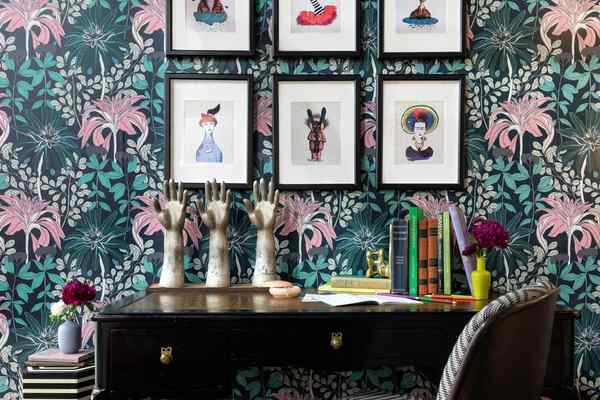
Pattern mixing is central to maximalist decorating, but successful combinations usually share at least one connection. They may repeat a color, come from a similar tradition, or contrast deliberately. A botanical print can sit beside a stripe because one is organic and the other orderly. A small check can balance an oversized floral because their scales differ.
Place samples together and view them from across the room. If the combination becomes visual noise, replace one pattern with a textured solid such as velvet, linen, or woven wool.
Use Texture as a Quiet Layer
Not every layer needs color or print. Texture gives depth while offering visual rest. Timber, rattan, aged metal, plaster, glass, embroidery, and woven fabrics can ground an eclectic interior styling scheme.
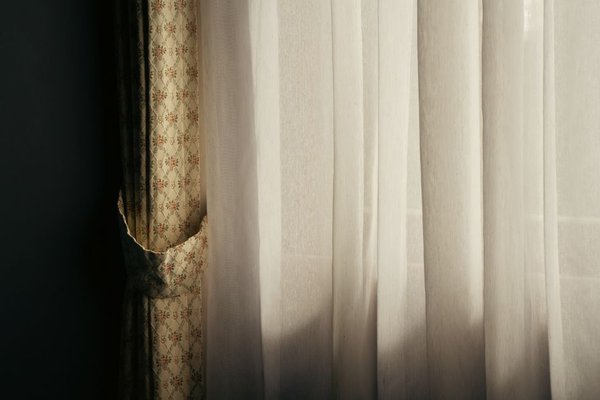
This is useful in smaller rooms. Instead of adding more decorative objects, introduce a ribbed lamp base, fringed throw, carved side table, or curtains with a visible weave. These details add richness without taking over the room.
Display Collections With Boundaries
Collections suit thoughtful maximalism because they reveal personality and history. The key is to give them a defined home. Grouping similar objects on one shelf, inside a cabinet, or across a single wall makes them feel curated. Scattering the same pieces across every surface can make the room feel untidy.
Leave small gaps so individual objects remain readable. Vary height and shape, but create a shared base, background, or theme. Mismatched vases become more powerful when arranged together on a painted shelf than when distributed throughout the house.
Balance Full Areas With Breathing Space
Maximalism needs negative space. A richly hung gallery wall may look better above a simple console. A patterned sofa can be balanced by an uncluttered floor area. Shelves filled with books and objects benefit from a nearby wall that is boldly painted but mostly bare.
Breathing space does not have to mean white space. It can be a block of saturated color, a generous curtain panel, or a large piece of furniture with a simple silhouette.
Edit for Function as Well as Beauty
A room should support daily routines. Before adding another layer, check whether doors open easily, lamps provide useful light, seats are accessible, and surfaces can be cleaned without moving dozens of objects. Practical editing separates thoughtful maximalism from clutter.
Try a one-week test after styling a room. Notice which objects are constantly moved, which corners feel cramped, and which displays collect dust immediately. Remove or relocate anything that interrupts how the space is used. Editing makes the remaining choices more convincing.
Let the Room Develop Over Time
The most believable maximalist interiors rarely appear in a weekend. They grow through travel, inheritance, changing interests, and gradual experimentation. Buying everything at once can create a themed look rather than a personal one.
Start with the strongest pieces you already own, then add slowly. Consider how each new item relates to the room’s story, palette, scale, and function. Related topics such as choosing a personal color palette, styling a gallery wall, and mixing vintage and modern furniture can help develop the look.
Frequently Asked Questions
What is thoughtful maximalism?
Thoughtful maximalism is an intentional approach to decorating with abundant color, pattern, texture, art, and personal objects. It uses repetition, hierarchy, editing, and functional planning to create a cohesive space.
How do I make maximalist decor look less cluttered?
Group collections, repeat key colors, vary pattern scale, and leave calm areas between detailed zones. Keep pathways and working surfaces clear, and remove pieces that do not support the room’s story or function.
Can maximalism work in a small room?
Yes. Use one strong focal point, a recurring palette, and texture instead of too many separate objects. Vertical displays, bold paint, and one carefully arranged collection can make a small room feel intentional rather than crowded.
Do all rooms need the same maximalist style?
No. A home feels connected when colors, materials, or personal themes repeat, but each room can have a different intensity. A bold living room can sit comfortably beside a quieter bedroom with layered textiles and artwork.
A Richer Home With a Clear Point of View
Thoughtful maximalism is not a rejection of restraint; it is a different kind of restraint. Instead of limiting the number of objects or colors, it limits what has no meaning, connection, or purpose. By building around personal stories, repeating visual cues, varying scale, and editing for daily life, you can create a home that feels generous, expressive, and unmistakably yours.