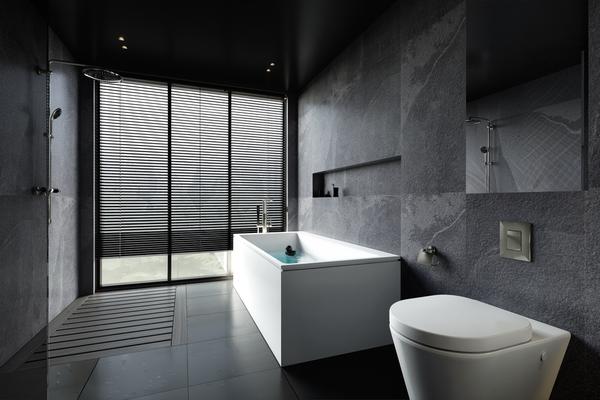
The most appealing bathrooms of 2026 are moving beyond polished surfaces and statement fittings. They are becoming places to pause, reset and recover from everyday life. That shift explains why spa-inspired bathroom design ideas are gaining attention. The goal is not to recreate a luxury hotel spa in every detail, but to shape a room that feels quieter, warmer and more restorative when you enter.
A calming bathroom can still be practical, family-friendly and easy to maintain. What matters is the atmosphere created by colour, light, texture, storage and small sensory details. With thoughtful choices rather than decorative excess, you can embrace the at-home spa trend naturally.
Start with a Calm, Grounded Colour Palette
Colour sets the emotional tone before any other feature is noticed. For a spa-like result, consider soft, nature-led shades such as warm white, sand, oat, stone, clay, muted sage or gentle grey-green. These colours feel restful because they avoid sharp contrast and allow the eye to move around the room without interruption.
That does not mean everything must be pale. A deeper timber vanity, charcoal tapware or earthy tiled wall can add depth, provided the overall palette remains balanced. Successful calming bathroom design often combines two or three closely related shades rather than relying on one flat colour.
Use Tonal Layers Instead of Stark Contrast
Layering similar tones creates visual softness. Pair creamy wall paint with limestone-effect tiles, a light oak vanity and off-white towels. Each material is distinct, yet the room still feels connected. This approach can also make a small bathroom feel more spacious because there are fewer hard visual breaks.
Bring in Natural-Looking Materials
Texture is central to many spa bathroom ideas. Smooth porcelain alone can feel cold, so balance it with finishes that suggest warmth and nature. Timber-effect cabinetry, stone-look tiles, woven baskets, ribbed glass and soft towels can make the room more inviting.
Real wood can work beautifully when properly sealed, although convincing wood-effect materials may be more practical in humid spaces. Natural stone has unique character, but quality porcelain can provide a similar appearance with easier maintenance.
Choose Fewer Materials and Repeat Them
A spa-inspired bathroom should feel composed rather than busy. Choose a restrained material palette and repeat it. The same tile might continue from the floor into the shower, while the vanity finish appears again on a shelf or mirror frame. Repetition creates the visual order associated with relaxing spaces.
Make Lighting Soft and Flexible
Bright overhead lighting is useful for cleaning and morning routines, but it rarely creates a soothing atmosphere alone. Combine practical ceiling lights with softer illumination around a mirror, beneath a vanity or inside a recessed shelf.
Warm, diffused light is more relaxing in the evening than a cool, clinical glow. Dimmable fittings help the room shift from functional to restful. All lighting should be suitable for bathroom zones and installed according to local electrical safety requirements.
Let Natural Light Work Gently
Make the most of daylight without sacrificing privacy. Frosted glass or light-filtering blinds can soften glare while keeping the space bright. A mirror positioned to reflect natural light can make the room feel fresher and more open.
Reduce Visual Clutter with Thoughtful Storage
Clutter quickly undermines a peaceful atmosphere. Bottles around the bath, crowded worktops and exposed cleaning products create visual noise, even in a beautifully finished room. Good storage is therefore one of the most useful spa-inspired bathroom design ideas.
Wall-hung vanities, mirrored cabinets, recessed shower niches and tall cupboards use space efficiently while keeping everyday items close. Drawer dividers can prevent toiletries from becoming a jumble. The aim is not to hide every object, but to give each item a clear place.
Keep only a few attractive essentials visible, such as hand wash, folded towels or a ceramic tray. When surfaces are mostly clear, these details feel intentional.
Upgrade Everyday Rituals
The at-home spa trend is as much about experience as appearance. A generous shower head, heated towel rail, comfortable bath mat or deep bath can improve how the room feels without requiring a complete renovation.
Think about touch and sound too. Choose towels that feel substantial, drawers that close softly and fittings that are comfortable to use. If plumbing noise travels through the home, quieter fixtures or better insulation may contribute more to calm than another accessory.
Add Scent Carefully
Subtle fragrance can support a relaxing mood, but it should not overwhelm the room. A lightly scented candle, diffuser or fresh eucalyptus stem may suit some households. Good ventilation remains essential, particularly where moisture or candles are involved. The freshest spa-like bathroom is one that feels clean, dry and well aired.
Use Plants and Organic Shapes
Greenery brings life to a neutral bathroom and strengthens the connection with nature. Select plants suited to the room’s light and humidity. In a dark bathroom, a convincing artificial plant may look better than a struggling real one.
Organic shapes can create softness even without plants. Rounded mirrors, curved basins, arched niches and gently shaped accessories counter the hard lines found in tiled rooms. One or two well-placed curves are often enough.
Create Calm Without a Full Renovation
Many spa bathroom ideas can be introduced gradually. Remove unused products, improve organisation and replace worn textiles with a coordinated set. Add a warmer light source, a larger mirror or a wooden stool beside the bath. These changes can alter the mood without moving plumbing or replacing tiles.
For a larger update, repaint walls in a warmer neutral, change cabinet handles or install a streamlined shower screen. Focus first on the elements you see and touch every day. A calm bathroom is created through repeated comfort, not simply expensive finishes.
Frequently Asked Questions
What colours work best for a spa-inspired bathroom?
Warm neutrals, soft greens, stone shades and muted earth tones usually create a restful effect. Choose colours that relate closely and avoid too many strong contrasts.
Can a small bathroom still feel like a spa?
Yes. Clear surfaces, concealed storage, continuous flooring, soft lighting and a limited palette can make a compact bathroom feel calm and spacious. Prioritise a few sensory improvements rather than many accessories.
Do I need a freestanding bath for a spa-like design?
No. A well-designed shower can feel equally restorative. A generous shower head, comfortable temperature control, a recessed niche and warm lighting can create a luxurious everyday experience.
How can I make a rented bathroom more relaxing?
Use portable updates such as coordinated towels, a soft bath mat, baskets, plants, a stool and attractive storage containers. Choose bathroom-safe lighting and follow tenancy rules before fixing anything to walls.
A Bathroom Designed for Everyday Calm
The best spa-inspired bathroom design ideas are not about copying a commercial spa. They are about noticing what helps you feel comfortable and removing what creates stress. A gentle palette, tactile materials, flexible lighting, organised storage and thoughtful rituals can turn an ordinary bathroom into a restorative part of the home.
As wellbeing continues to influence 2026 interiors, calming bathroom design feels less like a luxury and more like a practical response to busy lives. Create the room slowly, choose details with purpose and let simplicity do much of the work.