For most of modern history, roofs have been treated as purely functional structures—something to keep rain out, heat in, and maintenance headaches at a minimum. But that perspective is quietly changing. As climate awareness grows and cities rethink how buildings interact with the environment, rooftops are becoming part of a much bigger conversation. At the center of that shift is a growing interest in green roofing materials, which aim to reduce environmental impact while still doing the hard work a roof is meant to do.
Green roofing isn’t just about planting grass on top of a building, although that’s one expression of it. It’s a broader approach to roofing that considers how materials are sourced, how they perform over time, and how they affect energy use, water management, and even mental well-being. Understanding these materials means looking beyond surface-level aesthetics and into how roofs can quietly support a more sustainable built environment.
What “Green Roofing” Really Means
The phrase “green roofing materials” can sound vague at first, and that’s because it covers more than one idea. In some cases, it refers to living roofs that incorporate vegetation. In others, it means roofing products made from recycled, renewable, or low-impact resources. Sometimes, it’s about performance—materials that improve insulation, reduce heat absorption, or last longer so they don’t end up in landfills as often.
What ties all of these approaches together is intent. Green roofing materials are chosen with an eye toward environmental responsibility, long-term durability, and reduced energy demand. They often work quietly in the background, lowering cooling costs, managing stormwater, or improving air quality without calling much attention to themselves.
Living Roofs and the Rise of Vegetation Overhead
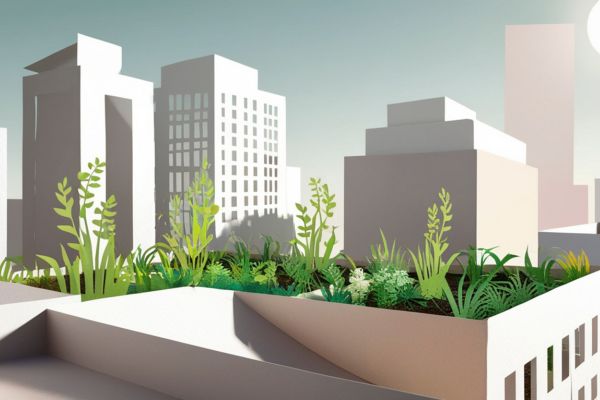
When people picture eco-friendly roofs, they often imagine lush greenery spilling over the edges of urban buildings. Living roofs, sometimes called vegetated or planted roofs, are one of the most visually striking forms of green roofing. They use layers of waterproofing, soil, and plants to turn unused rooftop space into something functional and alive.
Beyond their appearance, these roofs offer practical benefits. The vegetation acts as a natural insulator, keeping buildings cooler in summer and slightly warmer in winter. Rainwater is absorbed by soil and plants, slowing runoff and reducing strain on drainage systems. In dense cities, living roofs can help counter the “heat island” effect, where concrete and asphalt trap warmth.
That said, living roofs aren’t a universal solution. They require careful structural planning, proper drainage, and ongoing maintenance. The materials involved—from root-resistant membranes to lightweight growing mediums—are as important as the plants themselves. When done thoughtfully, though, they represent one of the most holistic expressions of green roofing.
Recycled and Reclaimed Roofing Materials
Not all green roofing materials are alive, and not all of them look unconventional. Many sustainable roofs rely on recycled or reclaimed content to reduce the demand for new raw materials. Metal roofing, for example, often contains a high percentage of recycled steel or aluminum and can be recycled again at the end of its lifespan.
Similarly, some shingles are made from recycled rubber or plastic, repurposing waste that might otherwise sit in landfills. These materials are designed to mimic the appearance of traditional roofing while offering improved durability and impact resistance. From the street, they may look like standard shingles, but their environmental footprint tells a different story.
The appeal of recycled roofing materials lies in their balance. They fit into familiar building styles while quietly reducing waste and resource extraction. For homeowners or builders hesitant to adopt more visually radical options, this category offers a practical middle ground.
Cool Roof Materials and Heat Reflection
One of the less visible but highly effective branches of green roofing focuses on heat management. Cool roof materials are designed to reflect more sunlight and absorb less heat than conventional roofing. This can significantly lower surface temperatures, especially in sunny climates.
These materials often use light-colored surfaces or reflective coatings to bounce solar radiation away from the building. The result is reduced indoor heat gain, which can lower the need for air conditioning and decrease overall energy consumption. Over time, this can also ease pressure on urban power grids during peak summer months.
While cool roofs may not have the same visual drama as living roofs, their impact can be substantial. They’re a reminder that green roofing materials don’t have to be flashy to be effective. Sometimes, sustainability is about subtle improvements applied at scale.
Natural Materials with a Long History
Some of the most eco-friendly roofing options aren’t new at all. Materials like clay tiles, slate, and wood shakes have been used for centuries, long before sustainability became a buzzword. When sourced responsibly, these materials can still play a role in green roofing today.
Clay and slate roofs are known for their longevity, often lasting decades longer than standard asphalt shingles. That durability means fewer replacements and less material waste over time. Wood roofing, when harvested from managed forests, offers a renewable option with a relatively low manufacturing footprint.
These traditional materials tend to age gracefully, blending into their surroundings rather than standing out. Their environmental value lies not just in what they’re made from, but in how long they last and how little processing they require.
The Role of Insulation and Supporting Layers
Green roofing materials aren’t limited to what’s visible from the outside. What lies beneath the surface can matter just as much. Insulation layers, vapor barriers, and underlayments all contribute to a roof’s environmental performance.
High-quality insulation reduces heat transfer, keeping indoor temperatures more stable and cutting down on energy use year-round. Some modern insulation products use recycled fibers or bio-based materials, aligning with the broader goals of sustainable construction.
In this sense, a green roof is often a system rather than a single product. The visible material works in concert with hidden layers to create a more efficient and resilient structure.
Environmental Benefits Beyond Energy Savings
While energy efficiency is a major draw, green roofing materials offer benefits that go further. Improved stormwater management helps reduce flooding and erosion, especially in urban areas. Vegetated roofs can create small habitats for birds and insects, supporting biodiversity where ground-level green space is limited.
There’s also a human element to consider. Studies have suggested that access to greenery, even when viewed from a window, can reduce stress and improve well-being. A rooftop that supports plant life or reflects heat more effectively can subtly improve the quality of life for those inside and around the building.
These effects may be hard to measure in a utility bill, but they add depth to the case for greener roofing choices.
Balancing Sustainability, Climate, and Practicality
Choosing green roofing materials isn’t about chasing a single ideal solution. Climate, building type, budget, and maintenance capacity all play a role. What works beautifully in one region may be impractical in another.
A sustainable roof in a rainy, temperate climate might prioritize water management and insulation, while one in a hot, arid region might focus on reflectivity and heat resistance. The most effective green roofs are those designed with their specific context in mind.
This flexibility is part of what makes green roofing such a compelling field. It encourages thoughtful design rather than one-size-fits-all answers.
A Quiet Shift Above Our Heads
Roofs don’t usually attract much attention, but they shape how buildings interact with the world in subtle ways. Green roofing materials invite us to rethink that relationship. They show how even the most overlooked parts of our built environment can contribute to energy efficiency, environmental health, and long-term resilience.
As cities grow denser and climate challenges become harder to ignore, the humble roof is being asked to do more than ever before. Whether through living plants, recycled materials, or smarter thermal performance, green roofing represents a shift toward building with intention.
In the end, these materials aren’t about making a statement. They’re about making quiet, practical choices that add up over time. And sometimes, the most meaningful changes are the ones happening just out of sight, above our heads, doing their work without asking for applause.