Solar panels have become a familiar sight on rooftops, but the conversation around home energy is shifting. It is no longer just about producing electricity during the day. More homeowners now want to know what happens to that power after the sun goes down, during cloudy weather, or when the grid goes out. That is where solar battery storage for homes starts to feel less like a technical extra and more like a practical part of modern living.
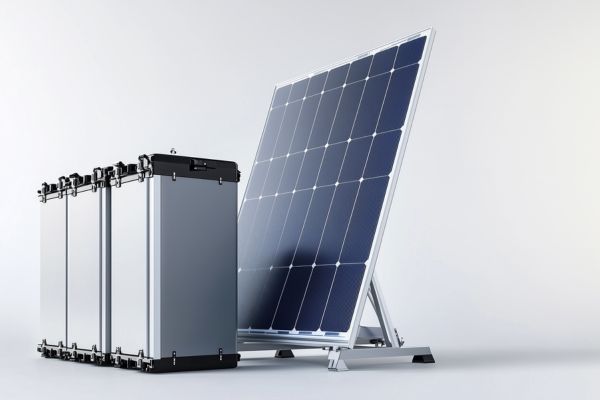
A solar battery stores excess electricity generated by solar panels, so the home can use it later instead of sending it all back to the grid. On paper, the idea is simple. In real life, the value depends on energy habits, local electricity prices, backup needs, available sunlight, and how the home is already set up.
How Solar Battery Storage Works
Solar panels produce electricity when sunlight hits them. During the middle of the day, many homes generate more power than they are using at that exact moment. Without a battery, that extra electricity usually goes back to the grid, depending on local rules and utility arrangements.
With a battery system, some of that unused energy is stored. Later, when the panels are producing less or nothing at all, the home can draw from the battery. This is especially useful in the evening, when people return home, switch on lights, cook dinner, use appliances, and charge devices.
A battery does not create energy by itself. It simply holds solar power for later use. That small difference matters because it helps homeowners understand what a battery can and cannot do.
Why Homeowners Are Considering Solar Batteries
One of the main reasons people look into solar battery storage for homes is control. Electricity prices can change, power cuts can disrupt daily routines, and sending solar energy back to the grid may not always feel as rewarding as using it directly.
A battery gives a home more flexibility. Instead of relying only on daytime solar production, the household can stretch that energy into the evening. In areas where electricity costs more during peak hours, this can make a real difference. The battery allows homeowners to use stored solar power when grid electricity is more expensive.
There is also the emotional side, which should not be ignored. People like the idea of being less dependent on outside systems. A battery can make the home feel more prepared, especially in places where outages are common.
Energy Savings and Bill Reduction
The financial benefit of a solar battery depends heavily on how electricity is priced. In some areas, homeowners receive good credit for sending excess solar power to the grid. In that case, a battery may take longer to pay for itself. In other areas, export payments are low, and using stored power at home becomes more attractive.
The best savings usually come when a battery helps reduce expensive evening electricity use. If the home can charge the battery during sunny hours and use that stored energy later, grid demand drops. Over time, this can lower electricity bills.
Still, it is worth being realistic. Batteries can be costly, and savings are not instant. The payback period depends on battery size, installation costs, solar production, electricity rates, and household energy use. For some homes, the financial case is strong. For others, the value may be more about backup power and energy independence than pure savings.
Backup Power During Outages
A common misunderstanding is that all solar homes automatically work during a power outage. Many standard grid-connected solar systems shut down when the grid fails, mainly for safety reasons. A battery system with proper backup capability can keep selected circuits running.
This can be one of the biggest practical benefits. During an outage, a home may be able to power essentials such as lights, Wi-Fi, a refrigerator, phone chargers, or medical equipment. Some systems can support larger loads, but that depends on battery capacity and system design.
It is important to plan backup expectations carefully. Running an entire home as usual during an outage requires a much larger setup than powering a few essentials. Air conditioning, electric heating, ovens, and water heaters use a lot of energy. A thoughtful battery setup focuses first on what truly matters when the grid is down.
Matching Battery Size to Daily Use
Battery size is not something to guess casually. A small battery may only cover basic evening use, while a larger one may support more appliances or provide longer backup. The right size depends on the home’s energy pattern.
A household that uses most of its electricity during the day may need less storage. A family that is out during daylight hours and uses more electricity at night may benefit more from a battery. Homes with electric vehicles, heat pumps, pool pumps, or large cooling loads need closer planning.
Oversizing can make the system more expensive than necessary. Undersizing can lead to disappointment because the battery runs out too quickly. The most useful starting point is a clear look at actual electricity usage, not just the size of the solar panel system.
The Role of Smart Energy Management
Modern battery systems are often paired with apps or energy management tools. These show how much solar power is being produced, how much energy the home is using, and how full the battery is. For many homeowners, this visibility changes how they think about energy.
It becomes easier to shift certain tasks to sunny hours. Washing clothes, running the dishwasher, or charging devices during solar production can reduce pressure on the battery later. Small habit changes can help the system perform better.
Some systems can also prioritize charging before expected bad weather or manage stored power based on peak electricity rates. This makes the battery more than a storage box. It becomes part of a smarter home energy routine.
Environmental Benefits of Storing Solar Energy
Solar batteries can support a cleaner energy lifestyle by helping homes use more of the renewable power they produce. Instead of drawing from the grid during evening peak hours, the home can rely more on stored solar electricity.
This can reduce demand on grid energy, especially when the grid still depends partly on fossil fuels. The environmental value is strongest when the battery is used efficiently and paired with a well-sized solar system.
At the same time, batteries have their own environmental footprint. Manufacturing requires raw materials, energy, and responsible recycling systems. That does not cancel out their benefits, but it does make quality, lifespan, and end-of-life recycling important parts of the discussion.
Costs, Lifespan, and Maintenance
Solar batteries are not usually cheap, which is why the “worth it” question needs a careful answer. The upfront cost includes the battery itself, installation, inverter compatibility, electrical work, and sometimes backup panel upgrades.
Most modern home batteries are designed to last many years, but performance gradually decreases over time. This is normal. Like a phone or laptop battery, a home battery holds slightly less charge as it ages. Warranty terms, cycle life, and usable capacity are important details to understand before choosing a system.
Maintenance is generally low, especially with lithium-based batteries, but the system should still be installed correctly and monitored. Good placement matters too. Batteries need suitable temperature conditions and safe installation areas.
When Solar Battery Storage Makes the Most Sense
Solar battery storage for homes tends to make the most sense when electricity rates are high, export credits are low, outages are frequent, or the household uses a lot of power outside daylight hours. It can also be valuable for people who simply want a more resilient home.
It may be less urgent for homes with low electricity use, generous solar export payments, or a very stable grid. In those cases, improving insulation, upgrading appliances, or adding more efficient heating and cooling may deliver better value first.
The smartest approach is to look at the whole home, not just the battery. Solar panels, energy efficiency, daily habits, and storage all work together. A battery performs best when it is part of a well-planned energy system.
A Thoughtful Investment in Home Energy
Solar batteries are not a perfect answer for every household, but they are becoming a meaningful option for many. They help store daytime solar power, reduce reliance on the grid, provide backup during outages, and make home energy use feel more intentional.
The real question is not only whether a battery saves money. It is whether it fits the way the home uses energy. For some people, the value is financial. For others, it is comfort, preparation, and the quiet confidence of having stored power ready when needed.
In the end, solar battery storage for homes is worth considering when it solves a real problem. If it matches the household’s energy habits, local electricity costs, and backup needs, it can turn a solar panel system into something more flexible and useful. It brings the home a little closer to energy independence, not in a dramatic way, but in the steady, practical rhythm of everyday life.