There’s a certain quiet satisfaction in looking out at a healthy lawn. The color is just right, the texture soft underfoot, and everything feels… settled. But maintaining that picture-perfect patch of green doesn’t have to mean endless mowing, watering, and fussing. In fact, the idea behind low maintenance lawn care is quite the opposite—doing less, but doing it smarter.
If you’ve ever felt like your lawn demands more time than you can realistically give, you’re not alone. The good news is that a few thoughtful changes can shift your lawn from high-effort to easygoing without sacrificing its charm.
Rethinking What a Lawn Should Be
One of the biggest hurdles in achieving low maintenance lawn care is the mindset. Many people still picture a lawn as a perfectly uniform carpet of grass, trimmed weekly and kept lush at all costs. That image, while appealing, often requires constant work.
A more relaxed approach embraces a slightly natural look. Small variations in color, a mix of grass types, and even the occasional clover patch can create a lawn that feels alive rather than overly controlled. When expectations shift, maintenance naturally becomes simpler.
Choosing the Right Grass for Less Work
Not all grass is created equal, especially when it comes to upkeep. Some varieties demand frequent watering, trimming, and fertilizing, while others thrive with minimal attention.
Opting for drought-tolerant or slow-growing grasses can significantly reduce your workload. These types are better suited to fluctuating weather conditions and don’t need constant trimming to stay neat. In warmer climates, grasses that handle heat well tend to be more forgiving. In cooler regions, hardy varieties that resist disease and shade can make a noticeable difference.
The key is to work with your environment rather than against it. When the grass matches the climate, everything else becomes easier.
Mowing Less, But Smarter
Mowing is often the most time-consuming part of lawn care. But here’s something that might feel counterintuitive: letting your grass grow slightly longer can actually reduce how often you need to mow.
Longer grass shades the soil, helping retain moisture and discouraging weeds. It also develops deeper roots, making it more resilient overall. Instead of cutting it very short every week, aim for a moderate height and mow only when necessary.
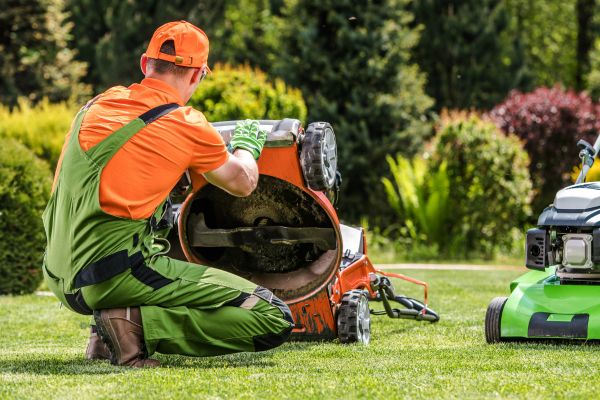
Another simple trick is to keep mower blades sharp. Clean cuts help the grass heal faster and stay healthier, which means less stress on the lawn—and less intervention from you.
Watering With Intention
Watering habits can make or break a lawn’s maintenance level. Frequent, shallow watering encourages weak roots, which leads to a lawn that constantly needs attention.
A better approach is to water deeply but less often. This encourages roots to grow deeper into the soil, making the grass more drought-resistant. Early morning is usually the best time, as it allows moisture to soak in before the heat of the day.
If you’re looking to simplify even further, consider how rainfall fits into your routine. Sometimes the best move is simply letting nature handle it and stepping back unless conditions become extreme.
Letting the Soil Do More of the Work
Healthy soil is often overlooked, yet it plays a major role in low maintenance lawn care. When the soil is rich and well-balanced, grass grows more naturally without needing constant fertilizers or treatments.
Adding organic matter like compost can improve soil structure over time. It helps retain moisture while still allowing proper drainage. As the soil improves, you may find that the lawn becomes more self-sufficient, requiring fewer inputs to stay healthy.
Aeration is another helpful practice, especially if the ground feels compacted. By allowing air and nutrients to reach the roots, you’re essentially giving the lawn a boost without adding extra products or effort later.
Rethinking Weeds and Imperfection
Weeds are often treated as the enemy, but a low maintenance approach takes a slightly different view. Instead of aiming for total elimination, it focuses on balance.
A thick, healthy lawn naturally crowds out many unwanted plants. When weeds do appear, they’re often a sign of underlying conditions like poor soil or overwatering. Addressing those root causes can reduce weed growth more effectively than constant removal.
And sometimes, letting a few harmless plants stay isn’t such a bad thing. Clover, for example, can enrich the soil and blend in visually. A perfectly weed-free lawn might look pristine, but a slightly varied one can be just as beautiful—and far easier to maintain.
Mulching as a Quiet Helper
Mulching grass clippings is one of those small changes that quietly makes a big impact. Instead of collecting and disposing of clippings, letting them settle back into the lawn returns nutrients to the soil.
This natural recycling process reduces the need for fertilizers and keeps the lawn nourished with minimal effort. It also saves time, which is really the whole point of low maintenance lawn care.
Over time, these small, repeated actions build a healthier system that supports itself.
Designing the Lawn With Maintenance in Mind
Sometimes the easiest way to reduce lawn care is to rethink the size and layout of the lawn itself. Large, open spaces require more mowing and watering, while thoughtfully designed areas can be both practical and visually appealing.
Incorporating pathways, garden beds, or seating areas can break up the lawn and reduce the amount of grass you need to maintain. Edges can be simplified to avoid intricate trimming. Even small changes like these can significantly cut down on ongoing work.
It’s not about removing the lawn entirely, but rather shaping it in a way that works better for your lifestyle.
Seasonal Adjustments That Save Effort
Every season brings its own challenges, but small adjustments can keep maintenance manageable throughout the year.
In spring, a light refresh—like removing debris and checking soil conditions—sets the tone for healthy growth. Summer is more about conserving moisture and avoiding overworking the lawn during heat. In autumn, leaving some fallen leaves to break down naturally can actually benefit the soil. And in winter, sometimes the best approach is simply letting the lawn rest.
Understanding these rhythms helps you work with the seasons instead of constantly reacting to them.
The Subtle Art of Doing Less
There’s a quiet art to low maintenance lawn care. It’s not about neglect, but about choosing what truly matters and letting go of what doesn’t. A lawn doesn’t need constant attention to look good—it needs the right kind of care at the right time.
Over time, you may notice something interesting. As you do less, the lawn often becomes more resilient. It adapts, settles into its environment, and requires less correction. That’s when you know you’ve found the balance.
Conclusion
Low maintenance lawn care isn’t about cutting corners—it’s about creating a system that works naturally. By choosing the right grass, adjusting how you mow and water, improving the soil, and embracing a slightly more relaxed aesthetic, you can transform your lawn into something that feels both effortless and rewarding.
In the end, a lawn should add to your space, not dominate your time. When care becomes simpler and more intuitive, you’re free to enjoy it the way it was meant to be enjoyed—quietly, comfortably, and without constant effort.