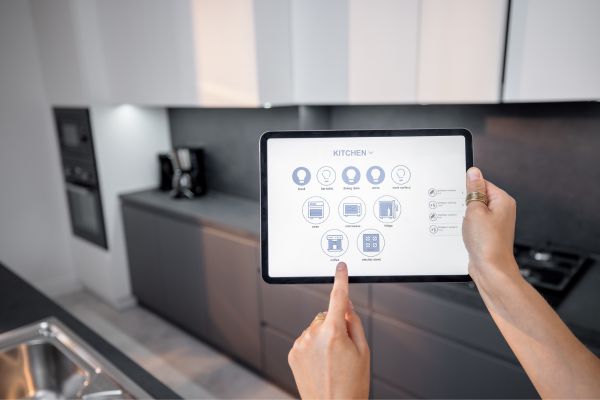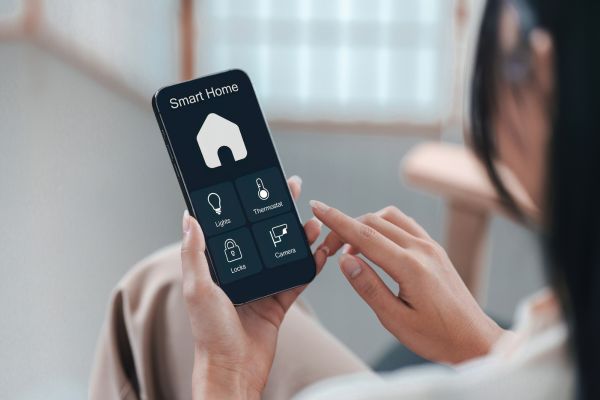
Voice controlled home automation isn’t just one of those tech trends that sounds cool and then quietly disappears. It’s actually becoming part of how people live, relax, and manage their homes. And let’s be real, once you tell your lights to turn off without getting off the couch, it’s hard to go back.
If you’ve ever talked to your phone, your car, or even your TV, you already understand the basic idea. Voice controlled home automation takes that same concept and spreads it across your entire living space. Lights, thermostats, security systems, entertainment, even kitchen appliances. All responding to your voice like a helpful assistant who never gets tired.
This guide is meant to feel like a conversation, not a technical manual. No jargon overload. No salesy fluff. Just honest insight into what voice controlled home automation is, how it works, and how you can realistically get started without turning your house into a science experiment.
Understanding Voice Controlled Home Automation
At its core, voice controlled home automation is about connecting everyday home devices to a system that listens to and understands voice commands. Instead of flipping switches or tapping apps, you simply speak.
The thing is, this isn’t magic. It’s software, microphones, and smart devices working together behind the scenes. A voice assistant listens for a command, processes what you said, and sends instructions to the right device. Lights dim. Music plays. Temperature adjusts. Simple as that.
What makes voice controlled home automation so appealing is how natural it feels. Talking is easier than tapping screens, especially when your hands are full or you’re half asleep. Over time, it stops feeling like technology and starts feeling like habit.
Why People Are Embracing Voice Controlled Homes
Convenience is the obvious answer, but it goes deeper than that. Voice controlled home automation gives you a sense of control without effort. You don’t need to remember which app controls what. You don’t need to be in the same room as a switch.
There’s also accessibility. For people with limited mobility, voice commands can be life-changing. Turning lights on, locking doors, or adjusting temperature becomes possible without physical strain.
Energy efficiency plays a role too. Voice controlled systems often integrate with smart thermostats and lighting schedules, which helps reduce wasted power. Saying “turn everything off” before leaving the house actually works.
And yes, there’s a little bit of fun involved. Talking to your home still feels futuristic, even if it’s becoming normal.
How Voice Commands Actually Work at Home
Behind every voice command is a short chain of events. You speak. A device with a microphone hears you. That audio is sent to a processing system that recognizes your words. Then a command is sent to a connected device.
What’s important to understand is that most voice controlled home automation systems rely on cloud-based processing. That means an internet connection is usually required. Without it, voice commands can become limited or stop working altogether.
Some newer systems are starting to process commands locally, which improves speed and privacy. But for most households right now, a stable internet connection is part of the deal.
Choosing the Right Ecosystem for Your Home
One of the biggest decisions in voice controlled home automation is choosing an ecosystem. Think of this as picking the language your home will speak.
Different ecosystems support different devices, brands, and features. Some are more open and flexible. Others are more controlled but simpler to use. The key is consistency. Mixing too many systems can lead to frustration.
Before buying anything, it helps to think long-term. Ask yourself how automated you want your home to become. Are you just adding lights and music, or do you want security, climate, and appliances fully integrated? Starting with one ecosystem makes future expansion much smoother.
Starting Small Without Overwhelming Yourself
Here’s some honest advice. Don’t automate everything at once. That’s how people get frustrated and give up.
Voice controlled home automation works best when you start small and build gradually. Begin with something you use every day, like lighting or music. Once that feels natural, add another layer.
This approach helps you learn how voice commands fit into your routine. You’ll discover which phrases feel natural and which don’t. You’ll also notice where automation actually saves time versus where it’s just a novelty.
And yes, sometimes talking to your lights feels weird at first. That passes quickly.
Voice Controlled Lighting and Daily Comfort
Lighting is often the gateway into voice controlled home automation, and for good reason. It’s immediate. You see the result right away.
Being able to say “dim the lights” or “turn off the bedroom lights” becomes second nature. Over time, you may start grouping lights by room or mood. Morning brightness. Evening calm. Movie time. All triggered by simple phrases.
Lighting automation also improves comfort at night. No more stumbling around in the dark or fumbling for switches. Just a quiet command and the room responds.
Climate Control That Listens to You
Temperature control is another area where voice controlled home automation shines. Adjusting the thermostat with your voice feels small, but it adds up.
Instead of walking to the wall or opening an app, you just say what you want. Warmer. Cooler. Off. Done.
Smart thermostats also learn your habits over time. Combined with voice commands, this creates a system that feels responsive rather than mechanical. Your home starts adapting to you instead of the other way around.
Entertainment That Responds Instantly
Voice controlled home automation has quietly changed how people interact with entertainment. Music, TV, streaming services. All accessible without remotes.
You can play music while cooking, pause shows without touching anything, or switch playlists while relaxing. It’s especially useful in shared spaces where remotes tend to disappear.
The casual nature of voice commands makes entertainment feel more social and less technical. You talk. The room responds. No instructions needed.
Home Security and Peace of Mind
Security is where voice controlled home automation moves from convenience to reassurance. Locking doors, checking cameras, or arming alarms with your voice can feel surprisingly comforting.
Of course, security automation should be handled thoughtfully. Voice commands are often paired with additional safeguards like PINs or user recognition. This prevents accidental or unauthorized actions.
When set up properly, voice controlled security features add another layer of control without increasing complexity. You know what’s happening in your home, and you can act quickly if needed.
Privacy Concerns and Realistic Expectations
Let’s talk honestly about privacy. Voice controlled home automation relies on listening devices. That makes some people uncomfortable, and that’s fair.
Most systems only actively listen after a wake word, but microphones are still present. Understanding how data is handled, stored, and protected matters. Reading privacy settings isn’t exciting, but it’s important.
The good news is that many systems allow you to control microphone access, review voice history, and disable features you don’t like. Voice controlled home automation doesn’t have to mean giving up control. It just requires awareness.
The Learning Curve and Everyday Use
There is a learning curve. You’ll say commands that don’t work. You’ll forget exact phrasing. Sometimes the system misunderstands you. It happens.
But over time, you adapt. You learn what works. The system learns your habits. Eventually, voice controlled home automation fades into the background and just becomes part of daily life.
That’s when you know it’s working. When you stop thinking about the technology and just enjoy the experience.
Where Voice Controlled Home Automation Is Headed
Looking ahead, voice controlled home automation is only getting smarter. Better natural language understanding. Faster response times. More local processing. Deeper integration with everyday objects.
The goal isn’t to make homes feel like science fiction movies. It’s to make them feel intuitive. Responsive. Comfortable.
As systems improve, voice commands will feel less like instructions and more like conversation. That’s the direction everything is moving toward.
Final Thoughts on Voice Controlled Home Automation
Voice controlled home automation isn’t about showing off or chasing trends. It’s about making daily life smoother, easier, and a little more enjoyable. It removes small frictions you didn’t even realize were there.
If you’re curious, start small. Experiment. See how it fits into your routine. Don’t overthink it. Let your home respond to you in simple ways first.
Once you experience the ease of controlling your environment with your voice, it stops feeling like technology and starts feeling like common sense. And honestly, that’s when you realize voice controlled home automation isn’t the future anymore. It’s already here.